
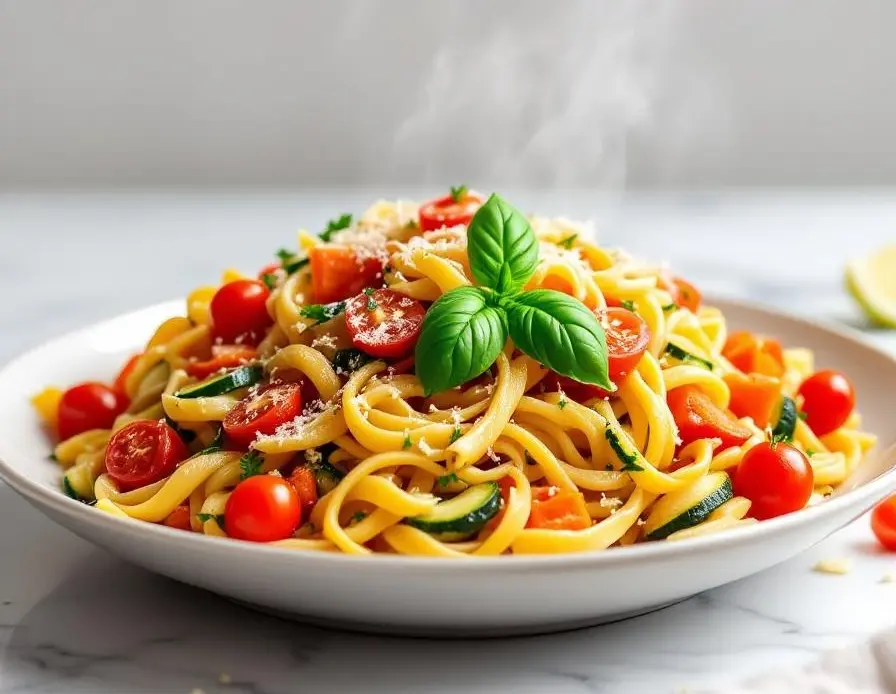
Chopping all the vegetables takes a bit of time, but I like the mess of it—carrots, zucchini, peppers all unevenly cut, some slices thicker than others. The sound of water boiling, the clatter of the knife on the cutting board, it’s all part of the prep that makes this dish real.
Once everything’s chopped, the vegetables hit the pan with a satisfying sizzle, releasing steam and aroma. No fancy techniques, just a straight shot from pan to plate, making sure the veggies stay bright and slightly crisp.
The gentle sizzle of vegetables hitting hot oil, each piece releasing a burst of steam and bright aroma, marks the start of this dish.
What goes into this dish
- Bell peppers: I like a mix of red and yellow, their sweetness pops through; skip if you’re out, but try to keep the pieces chunky for texture. Their bright color makes the dish look alive.
- Zucchini: Sliced into half-moons, they cook fast and stay tender-crisp with that slight bounce; you can swap in yellow squash if that’s what’s in the fridge. Watch for overcooking—they turn mushy quick.
- Cherry tomatoes: Halved and added at the end, their oozy seeds and tangy juice brighten everything; if you only have larger tomatoes, dice them small so they release flavor evenly. They give off a sweet, smoky aroma when heated.
- Garlic: Minced fine, it’s the backbone of the dish—smells sharp and inviting. You can substitute with garlic powder if pressed for time, but fresh is best for that punch of aroma and flavor.
- Pasta: I prefer spaghetti or linguine, but penne works too. Cooked just shy of al dente, it soaks up the sauce and keeps some chew. Whole wheat pasta adds nuttiness if you’re into that; just adjust cooking time.
- Olive oil: The good stuff—extra virgin, with a grassy, peppery kick. It’s the base for sautéing everything; skip if you prefer butter or a neutral oil, but it’s crucial for that lush, slightly fruity aroma.
- Fresh basil: Torn over at the end, it releases a sweet, peppery scent that ties everything together. If fresh isn’t available, a pinch of dried basil works, but it loses that vibrant aroma and flavor.
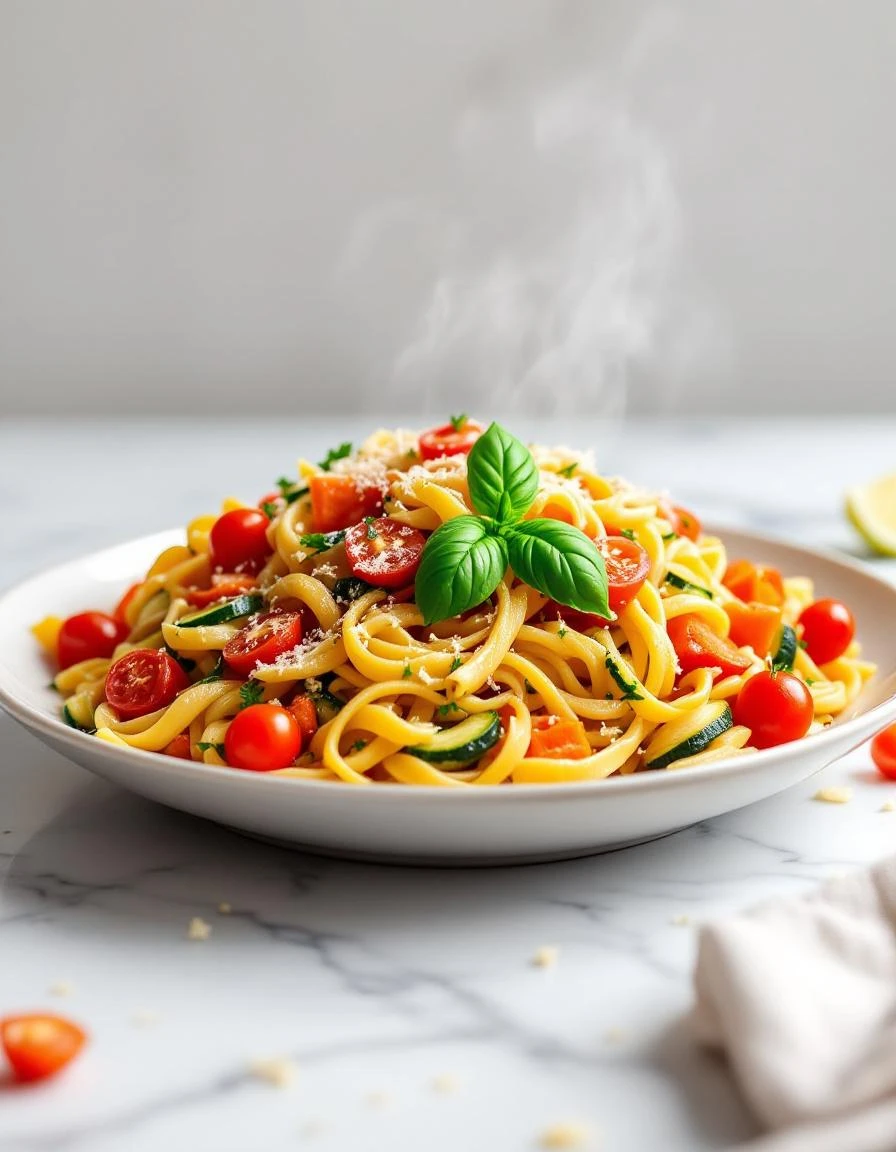
Vegetable Pasta Primavera
Ingredients
Equipment
Method
- Bring a large pot of salted water to a boil and cook the pasta until just shy of al dente, following package instructions. Drain and set aside.
- While the pasta cooks, heat olive oil in a large skillet over medium heat, until shimmering and fragrant.
- Add the minced garlic to the skillet and sauté for about 30 seconds until it becomes fragrant, with a slight sizzle and golden edges.
- Drop in the chopped bell peppers and zucchini, then cook for about 3-4 minutes, stirring occasionally, until they soften slightly and release a bright aroma.
- Add the cooked pasta to the skillet and toss everything together, allowing the flavors to meld for about 1-2 minutes.
- Stir in the halved cherry tomatoes and cook for another 1-2 minutes until they just start to release their juices and soften slightly.
- Remove the skillet from heat, then tear fresh basil over the top and toss gently to distribute the herbs evenly.
- Serve the pasta primavera immediately, garnished with additional basil if desired, and enjoy the vibrant colors and fresh aromas.
Common mistakes and how to fix them
- FORGOT to taste the sauce? Add a pinch of salt and a squeeze of lemon to fix blandness.
- DUMPED pasta too early? Save some pasta water to loosen the sauce and enhance flavor.
- OVER-TORCHED the vegetables? Lower heat immediately and add a splash of water to stop cooking.
- MISSED the timing on adding herbs? Toss fresh basil at the very end to preserve aroma and color.
Make-Ahead and Storage Tips
- Chop vegetables and store in airtight containers for up to 2 days in the fridge; keeps them fresh and ready to toss in.
- Cook pasta al dente, then rinse with cold water and store in a sealed bag or container for up to 1 day; reheats better if slightly underdone.
- Prepare sauce components—minced garlic, sliced peppers, cherry tomato halves—and keep separate; flavors stay bright for 2 days in the fridge.
- Freezing isn’t ideal for this dish, but if needed, store cooked pasta and sautéed vegetables separately for no more than 1 month; reheat gently to avoid mush.
- Flavor tends to mellow after a day; fresh herbs are best added just before serving for maximum brightness and aroma.
- Reheat in a skillet over medium, adding a splash of water or oil; cook until heated through and vegetables regain some of their original crunch.
FAQs
1. How should the pasta feel when cooked?
The pasta should be tender but still slightly firm to the bite, with a bit of chew, like a gentle bounce when you bite into it. It’s the perfect vehicle for the sauce’s bright, fresh flavors.
2. What does good Pasta Primavera smell and look like?
Look for a vibrant, slightly glossy sauce that clings to the vegetables and pasta. The aroma of garlic and basil should fill the air with a fresh, herbaceous scent, and the veggies should be crisp-tender, not mushy.
3. Can I use frozen vegetables?
Use fresh vegetables for the crunch and bright flavor. If you want more smoky depth, add a dash of smoked paprika or charred veggies directly on the grill before chopping.
4. How do I reheat leftovers without sogginess?
Reheat gently in a skillet over medium, adding a splash of water or oil. You want the veggies to rewarm without losing their crispness or turning soggy, and the pasta to heat through with a slight steam.
5. When is Pasta Primavera best enjoyed?
This dish shines in spring and summer when fresh produce is at its peak. It’s also quick to throw together after a busy day, making it perfect for a light, satisfying meal without much fuss.
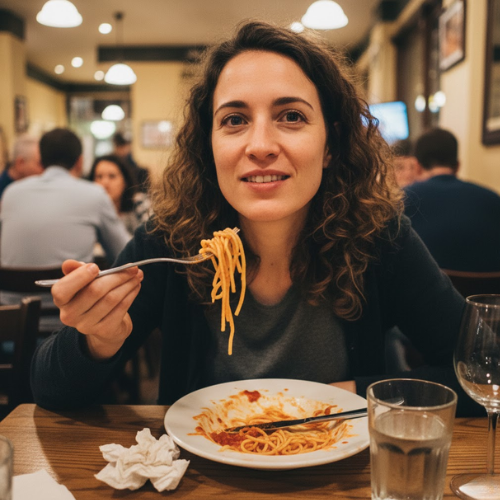
Hi, I’m Madison Lane, the cook, recipe creator, and heart behind this kitchen. Food has been part of my life for as long as I can remember. Some of my earliest memories are of standing beside my dad while he cooked, watching him move comfortably around the kitchen, tasting sauces, and explaining why patience mattered just as much as seasoning.
