
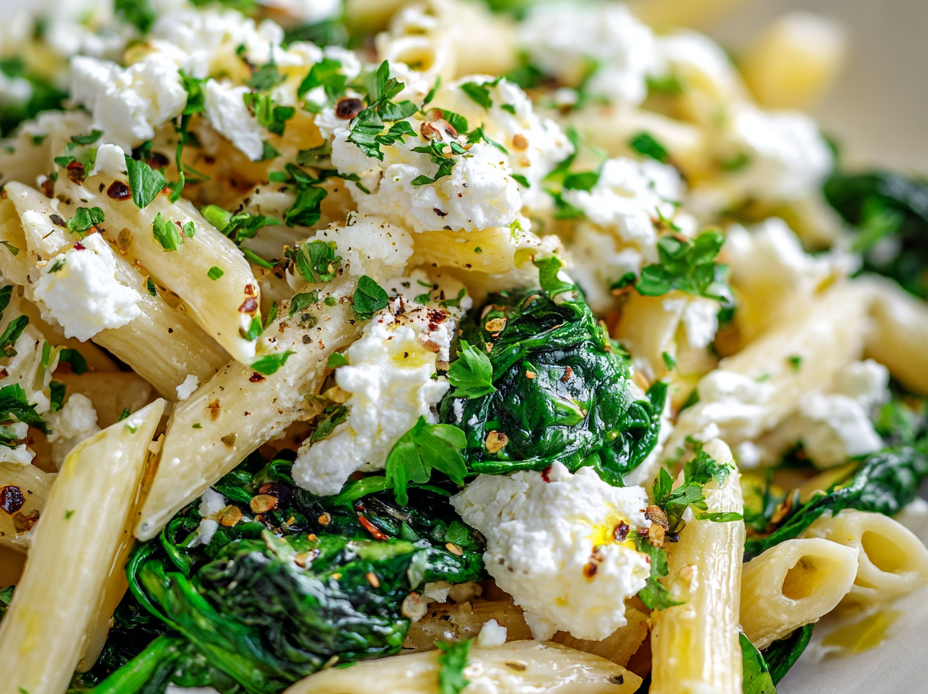
This Spinach and Feta Pasta isn’t just about quick ingredients; it’s about capturing a burst of summer’s freshness even in the dead of winter. The way wilted spinach meets salty feta makes every bite feel like a tiny celebration, a reminder that simple foods can carry big flavors.
I stumbled on this combo during a busy week when I needed something fast but satisfying. The secret is how the feta melts just enough to coat every piece of pasta, and the spinach shrinks down into a tender, slightly bitter green that balances the salty cheese. It’s comfort food with a little unexpected brightness.
Focusing on how the simple combination of spinach and feta transforms a basic pasta into a dish that feels like a quick slice of summer, even on the coldest nights.
The story behind this recipe
- This recipe was born out of a Sunday afternoon craving for something bright and easy, but with a little unexpected flavor punch. I remember rummaging through my fridge and finding a block of feta that needed using up, along with a handful of spinach left over from last week’s grocery run. The moment I tossed everything together, I knew I was onto something that could brighten even the gloomiest winter night.
- The inspiration came from those lazy summer evenings when I’d sit outside with a bowl of greens and salty cheese, feeling the sun on my skin and hearing the hum of insects. Though I was inside, stirring this pasta made me feel a little bit of that warmth and simplicity. It’s a dish that’s rooted in spontaneity, comfort, and a dash of nostalgia for carefree days.
- heading:
Breakdown of Key Ingredients
- Fresh spinach: I love the pop of bright green and earthy scent when it hits the pan, just wilted enough. Skip the bagged stuff if it’s old or limp, it won’t wilt right.
- Feta cheese: Its salty, tangy creaminess melts into the pasta, creating little pockets of flavor. Crumble it finely so it coats evenly—don’t forget, a good feta is key, so pick a creamy, briny block.
- Pasta: I use spaghetti or linguine for a comfy, slurpable bite. Cook it al dente—about 8 minutes in boiling salted water—so it still has a little chew when mixed with the greens.
- Garlic: It’s the aromatic backbone—sauté until fragrant, just a minute or so. If you burn it, the bitter note ruins the whole dish, so keep the heat moderate and stir constantly.
- Olive oil: Use a good extra virgin—its fruity richness coats everything. Warm it gently, enough to shimmer, but not smoke. It’s the base for sautéing and flavoring the pasta.
- Lemon juice: Brightens up the salty, creamy feta—just a squeeze right at the end. If you’re out, a splash of vinegar can add a similar zing, but lemon keeps it lively and fresh.
- Red pepper flakes: A pinch adds a subtle heat that wakes everything up. Sprinkle sparingly at first—sometimes, less is more for that gentle kick.
Spotlight on key ingredients
Spinach and Feta:
- Fresh spinach: I love the pop of bright green and earthy scent when it hits the pan, just wilted enough. Skip the bagged stuff if it’s old or limp, it won’t wilt right.
- Feta cheese: Its salty, tangy creaminess melts into the pasta, creating little pockets of flavor. Crumble it finely so it coats evenly—don’t forget, a good feta is key, so pick a creamy, briny block.
Notes for ingredient swaps
- Dairy-Free: Swap feta for a tangy, nutty cashew cheese or a store-bought vegan feta—less salty, but still creamy.
- Gluten-Free: Use a rice or chickpea pasta—has a different texture but still holds up well with greens and cheese.
- Nutty Flavor: Add toasted pine nuts or walnuts for extra crunch and a smoky aroma, especially good if skipping feta.
- Leafy Greens: Swap spinach for kale or arugula—kale holds up better if you want more bite, arugula adds peppery zing.
- Lemon Substitute: Lime juice brightens similarly, or a splash of vinegar if lemon’s not available—still keeps it lively.
- Oil Choice: Use avocado oil for a buttery note or a neutral oil if olive oil isn’t on hand—just keep the shimmering heat.
- Heat Kick: Instead of red pepper flakes, try smoked paprika for smoky depth or a dash of cayenne for more punch.
Equipment & Tools
- Large skillet: To cook the greens and feta mixture evenly.
- Pasta pot: Boil the pasta to al dente texture.
- Slotted spoon: Drain pasta without excess water.
- Measuring spoons: For accurate lemon juice and spice measurement.
- Cutting board and knife: Prepare garlic and any garnishes.
Step-by-step guide to Pasta
- Equipment & Tools: Use a large, deep skillet for even heat, a pasta pot for boiling, and a slotted spoon for draining.
- Fill a pasta pot with water, add a generous pinch of salt, and bring to a rolling boil (about 100°C/212°F).
- Add spaghetti or linguine to boiling water. Cook for 8 minutes, stirring occasionally, until al dente. Drain, saving a cup of pasta water.
- While pasta cooks, heat a tablespoon of good olive oil in your skillet over medium heat (around 160°C/320°F).
- Add 2 minced garlic cloves; sauté until fragrant, about 1 minute. Watch for a golden hue and aromatic scent; don’t burn.
- Toss in 4 cups of fresh spinach. Cook, stirring, until wilted and vibrant green, about 2 minutes. It should be tender but not mushy.
- Reduce heat to low. Crumble 1 cup of feta cheese into the skillet, stirring gently until it begins to melt and coat the greens.
- Add cooked pasta to the skillet. Toss everything together over low heat for 1-2 minutes, allowing flavors to meld.
- If mixture seems dry, add a splash of reserved pasta water to loosen and create a silky sauce. It should coat the pasta evenly.
- Finish with a squeeze of lemon juice, a pinch of red pepper flakes, and adjust seasoning with salt if needed.
- Turn off heat. Let sit for 1 minute to settle. Taste and adjust lemon or salt as desired.
- Plate the pasta promptly. Garnish with a few extra feta crumbles and a drizzle of olive oil if desired.
- Rest for 2-3 minutes before serving to let flavors deepen. Serve immediately, hot and fragrant.
Serve immediately with a drizzle of olive oil or extra feta for richness. Let sit for a minute to settle. Garnish as desired.
How to Know It’s Done
- Feta melts smoothly and coats pasta evenly.
- Spinach is tender but not overcooked, vibrant green with no bitterness.
- Pasta is al dente, with a slight bite, and coated with a light, glossy sauce.
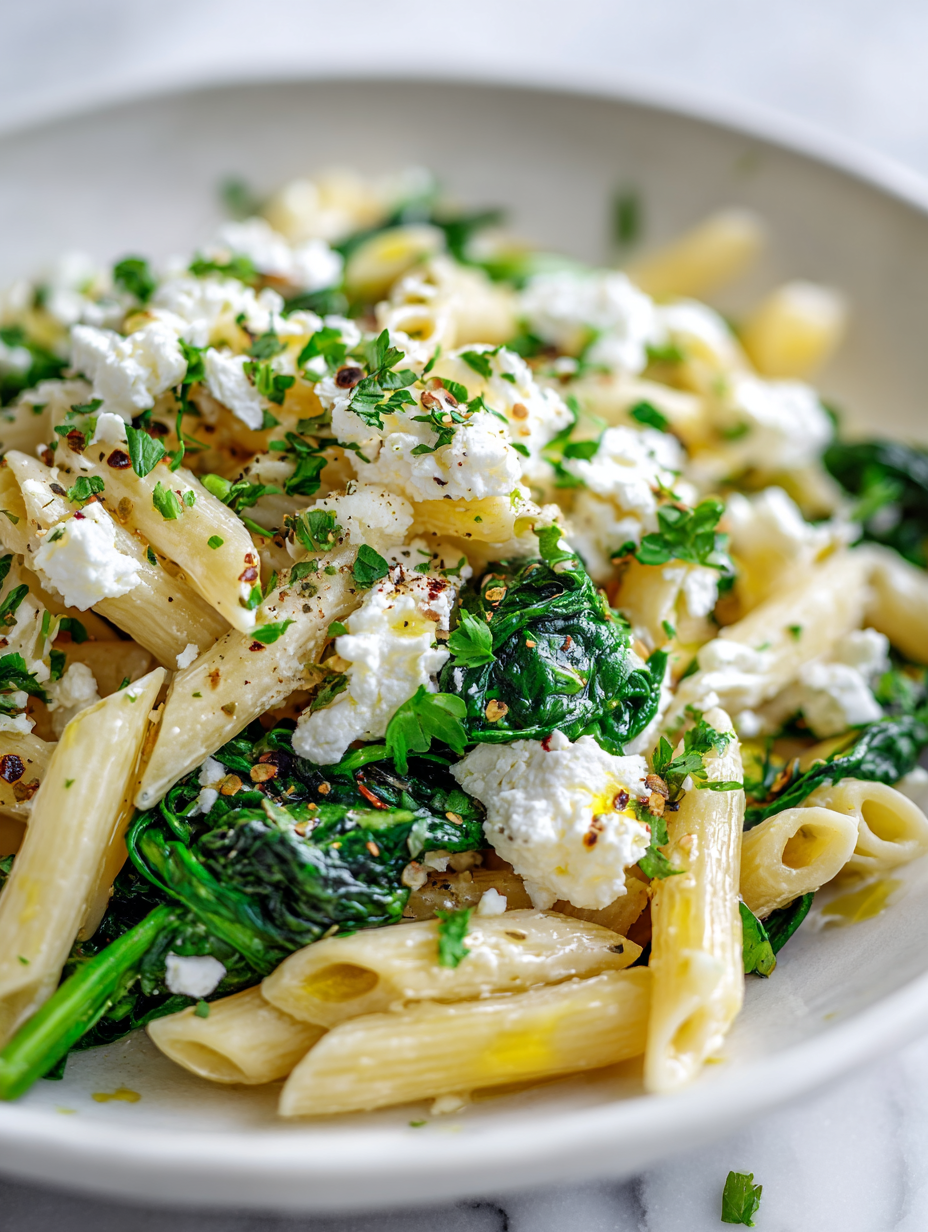
Spinach and Feta Pasta
Ingredients
Equipment
Method
- Bring a large pot of salted water to a rolling boil. Add the pasta and cook until al dente, about 8 minutes. Drain, reserving a cup of pasta water, and set aside.
- While the pasta cooks, heat olive oil in a large skillet over medium heat until shimmering and fragrant.
- Add the minced garlic to the skillet and sauté for about 1 minute, until it becomes fragrant and lightly golden, but not browned.
- Add the fresh spinach to the skillet and cook, stirring occasionally, until wilted and vibrant green, about 2 minutes. The spinach should be tender but still bright.
- Reduce the heat to low, then crumble the feta cheese into the skillet. Stir gently to let it melt slightly and coat the greens, creating a creamy mixture.
- Add the drained pasta to the skillet and toss to combine everything evenly. If the mixture seems dry, stir in a splash of the reserved pasta water to loosen and create a silky sauce.
- Finish by squeezing the lemon juice over the pasta and sprinkling red pepper flakes for a subtle kick. Toss once more to distribute the flavors evenly.
- Turn off the heat and let the pasta sit for a minute to allow the flavors to meld. Taste and adjust seasoning if needed.
- Serve immediately, garnished with extra feta crumbles or a drizzle of olive oil if desired. Enjoy the vibrant, creamy, and tender pasta while hot.
Pro tips for perfect spinach and feta pasta
- Use fresh spinach—its earthy aroma and vibrant color wilt beautifully, avoiding the limp, dull leaves.
- Crumble feta finely—this helps it melt faster and coat the pasta evenly, creating creamy pockets.
- Sauté garlic gently—look for a fragrant aroma and golden hue, but keep the heat moderate to avoid bitterness.
- Add pasta water gradually—its starchy richness will help create a silky, cohesive sauce without over-thickening.
- Toss in greens last—just until wilted and bright, avoiding overcooking into a dull, bitter mass.
- Finish with lemon—brightens the flavors and cuts through the richness, adding a fresh, zesty layer.
- Serve immediately—this pasta is best hot, with feta still creamy and greens tender, not slimy or dried out.
Common mistakes and how to fix them
- FORGOT to adjust heat, resulting in burnt garlic—keep it fragrant, not bitter.
- DUMPED the pasta water too early—save some for silky sauce consistency.
- OVER-TORCHED feta—add it off heat to prevent melting into a clump.
- MISSED spinach timing—add it just until wilted, not mushy, for vibrant color and flavor.
Quick fixes and pantry swaps
- When sauce looks dry → Splash in warm pasta water to loosen and add shine.
- If feta clumps → Patch with gentle stirring off heat for creamy distribution.
- DUMPED too much pasta water → Shield with a splash of olive oil to re-emulsify.
- When spinach is limp → Rescue by quickly sautéing with a little garlic for fresh vibrancy.
- Splash with lemon too early → Add lemon juice at the end for bright, fresh flavor.
Prep, store, and reheat tips
- Prepare the pasta and chop garlic ahead—store in airtight containers in the fridge for up to 24 hours. The aroma of garlic will mellow but still add flavor.
- Wash and dry the spinach thoroughly; keep in a sealed bag or container for 1-2 days. Wilted spinach can turn bitter if stored too long.
- Crumble feta cheese and keep it refrigerated for up to 2 days. It’s best used fresh, but still good if kept covered tightly.
- Reheat leftovers gently in a skillet over low heat, adding a splash of pasta water or olive oil to revive the sauce’s silkiness. Expect a slightly less vibrant green but still tasty.
- For longer storage, the cooked pasta can be frozen for up to 2 months. Thaw in the fridge overnight and reheat with a little extra water or oil, watching for moisture and flavor loss.
Top questions about spinach and feta pasta
1. Can I use frozen spinach instead of fresh?
Yes, you can substitute frozen spinach, but make sure to drain excess water well before adding to the pasta. It might be a little softer, less vibrant, but still tasty.
2. How salty should the feta be?
Feta varies in saltiness; taste it first. If it’s very salty, cut back or rinse briefly before crumbling into the dish.
3. What kind of olive oil is best?
Use a good quality olive oil with a fruity aroma. It adds depth and richness—cheap oil can taste flat or greasy.
4. Can I skip the lemon juice?
Lemon juice brightens the dish instantly. If you don’t have lemon, a splash of vinegar works, but it won’t have quite the same freshness.
5. How do I know when the pasta is done?
Cook the pasta al dente, about 8 minutes, so it still has a slight chew. Overcooked pasta turns mushy and clings less to the feta and greens.
6. Should I save pasta water?
Adding pasta water helps create a silky sauce that coats everything evenly. Save a cup before draining, just in case.
7. How do I avoid burning garlic and feta?
Too much heat can burn garlic and feta. Keep the garlic fragrant and the feta creamy by cooking over moderate heat and stirring often.
8. Can I use other greens instead of spinach?
Use fresh spinach for vibrant color and flavor, adding it just until wilted. Old or limp spinach won’t give the same fresh result.
9. Can I make this dairy-free?
To make it dairy-free, substitute feta with a tangy vegan cheese or seasoned cashew cream. It won’t be exactly the same but still flavorful.
10. Can I make this ahead and reheat?
Serve immediately for the best flavor and texture. Reheat gently with a splash of water or oil to revive the sauce and greens.
This pasta feels like a quick, bright spark of summer, even in the dead of winter. Bright lemon, salty feta, and tender spinach come together in a way that’s honest and satisfying without fuss.
Sometimes, the simplest dishes carry the most honest flavors. It’s a reminder that good, fresh ingredients and a little care in the kitchen can turn a basic meal into something memorable, even on the busiest nights.
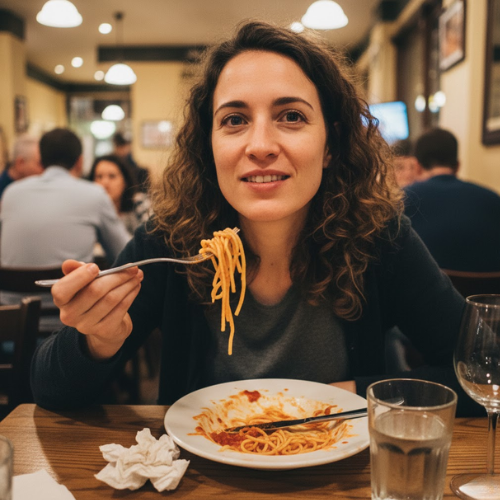
Hi, I’m Madison Lane, the cook, recipe creator, and heart behind this kitchen. Food has been part of my life for as long as I can remember. Some of my earliest memories are of standing beside my dad while he cooked, watching him move comfortably around the kitchen, tasting sauces, and explaining why patience mattered just as much as seasoning.
