
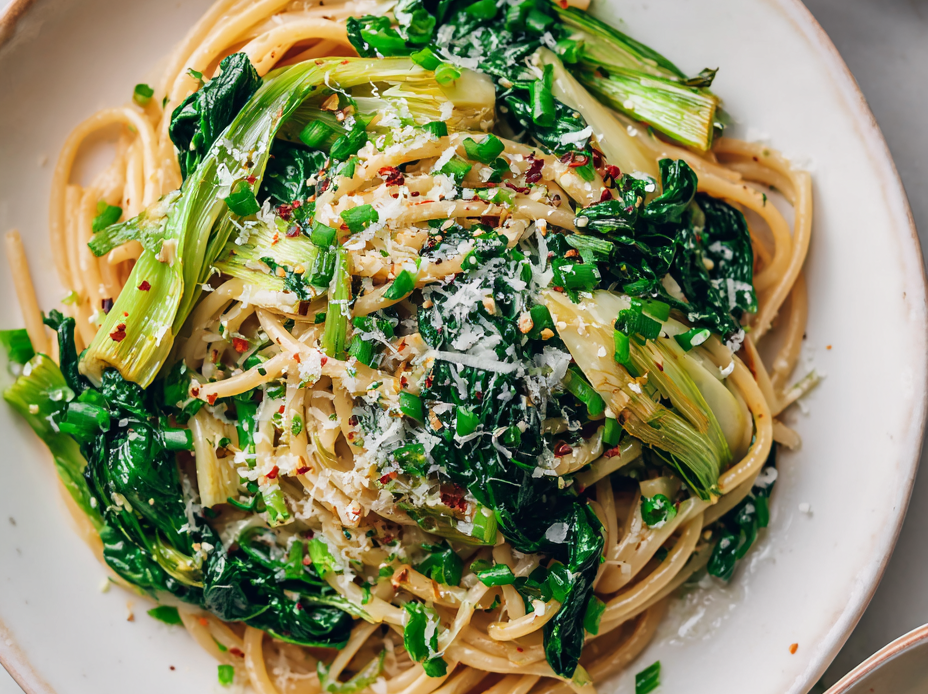
Leeks often get overshadowed by more glamorous greens, but they bring a gentle, sweet onion flavor that really elevates a simple pasta. I love how their tender, caramelized edges add depth without overpowering the dish. It’s like a quiet, savory hug in every bite.
This recipe is my go-to when I want something comforting but not heavy, especially in early spring when leeks and spinach are at their best. It’s honest cooking—nothing fancy, just good ingredients, cooked with a little patience and a lot of love.
The best part? It’s forgiving and flexible. You can toss in a handful of herbs or swap the pasta depending on what you have. But that mellow leek sweetness—that’s what makes this pasta stand out, turning everyday ingredients into something special.
Focusing on the overlooked richness of leeks in pasta, highlighting how their mellow, onion-like sweetness transforms the dish into a comforting yet elegant meal.
The story behind this recipe
- I stumbled upon this combination during a chaotic week when I needed something nourishing yet quick. Leeks and spinach seemed like an unlikely duo, but their gentle, earthy flavors just clicked after a single bite. It’s funny how some of the best ideas come from improvisation in the chaos of a busy kitchen.
- This dish reminds me of lazy Sunday mornings in my childhood, when my mom would sauté leeks until they were soft and sweet, filling the house with a warm, inviting smell. I wanted to recapture that comfort—something simple but deeply satisfying, with ingredients I always keep close.
- Now, it’s become a staple for those nights when I crave honest food that comes together fast. It’s not about perfection, but about embracing the humble ingredients and making something that feels like a small, homemade celebration.
Ingredient breakdown
- Leeks: I love how their subtle sweetness caramelizes into soft, golden edges—if you soften them slowly over medium heat, they develop a rich, mellow flavor. Skip this step, and they stay sharp and crunchy.
- Spinach: Fresh spinach wilts down to almost nothing but leaves behind a vibrant, earthy aroma. Toss it in at the end, just until wilted—overcooking can turn it bitter and slimy.
- Pasta: I prefer long, thick spaghetti or pappardelle for this; they catch the sauce better. Cook until just al dente—overcooking makes it mushy and dull in texture.
- Olive Oil: A good splash of fruity olive oil at the start adds depth. Use a decent quality oil, or your finished dish might lack that rich, fragrant hit.
- Garlic: Mince it finely so it disperses evenly, releasing a warm, spicy aroma. Burnt garlic turns bitter fast—keep an eye on the pan!
- Lemon Juice: A squeeze brightens everything—don’t skip it, or the dish can feel flat. Use fresh lemon for that zesty, zingy kick that cuts through the richness.
- Parmesan: I grate it fresh for that sharp, nutty aroma. Add just before serving—if you add it too early, it can seize up and turn greasy.
Spotlight on key ingredients
Leek:
- Leeks: I love how their subtle sweetness caramelizes into soft, golden edges—if you soften them slowly over medium heat, they develop a rich, mellow flavor. Skip this step, and they stay sharp and crunchy.
- Spinach: Fresh spinach wilts down to almost nothing but leaves behind a vibrant, earthy aroma. Toss it in at the end, just until wilted—overcooking can turn it bitter and slimy.
Spinach:
- When sautéed, it releases a deep, earthy aroma and wilts quickly, turning a vibrant green. If overdone, it can become bitter and mushy—best added last to keep its freshness.
- Leek: During cooking, leeks soften into tender, sweet strands with a slight caramelized edge. Their mellow, onion-like aroma intensifies as they cook slowly, creating a comforting, savory base.
Notes for ingredient swaps
- Dairy-Free: Swap Parmesan for nutritional yeast—adds umami without dairy, but loses that cheesy richness.
- Vegan: Use olive oil instead of butter for sautéing leeks—keeps it light and subtly fruity.
- Gluten-Free: Replace regular pasta with brown rice or chickpea pasta—texture can vary, so cook to your preferred firmness.
- Low-Sodium: Opt for reduced-salt or homemade broth if using for extra liquid—less salty, but flavor might be milder.
- Lemon Alternative: Lime juice gives a similar brightness—try it if you want a slightly different citrus note.
- Spinach Substitute: Swiss chard or kale—more robust; cook longer and chop finer for similar wilted effect.
- Garlic Swap: Shallots or garlic-infused oil—milder flavor or less pungent, but still adds depth.
Equipment & Tools
- Large pot: Boil pasta efficiently and salt the water for flavor.
- Skillet or sauté pan: Cook leeks and combine ingredients for flavor melding.
- Colander: Drain pasta quickly, saving some pasta water.
- Knife and chopping board: Prep leeks and garlic safely and precisely.
- Wooden spoon: Gently stir ingredients without scratching pans.
Step-by-step guide to pasta
- Gather your equipment: a large skillet or sauté pan, a wooden spoon, a colander for pasta, and a sharp knife for prep.
- Bring a large pot of salted water to a rolling boil (about 1 tbsp salt per liter). Add your pasta and cook until just al dente, roughly 1 minute less than package instructions. Drain and set aside, reserving a cup of pasta water.
- While pasta cooks, wash and peel the leeks. Slice them into thin half-moons, about 0.5 cm thick. Rinse thoroughly to remove grit.
- Heat 2 tbsp olive oil in your skillet over medium heat (about 160°C / 320°F). Add the leeks, stirring often. Cook for about 8-10 minutes, until they soften and turn a light golden brown. They should smell sweet and earthy, with edges caramelized.
- Add 2 minced garlic cloves to the leeks, cooking for 1 minute until fragrant but not burnt. If garlic turns bitter, lower the heat.
- Stir in a generous handful (about 2 cups) of fresh spinach. Cook for 1-2 minutes until wilted and vibrant green. If it seems crowded, cook in batches.
- Pour in the cooked pasta directly into the skillet. Toss everything gently to combine, allowing the flavors to meld for 2 minutes over low heat.
- Add a splash of reserved pasta water—start with 2 tbsp—if the mixture feels dry. It will help create a silky sauce that coats the pasta.
- Finish with a squeeze of fresh lemon juice (about 1 tbsp) and a generous sprinkle of grated Parmesan (about 1/4 cup). Toss again to evenly distribute.
- Taste and adjust seasoning with salt and pepper. If it’s too dry, add more pasta water a tablespoon at a time until it feels just right.
- Transfer to plates, drizzle with a little extra olive oil if desired, and serve immediately while the flavors are fresh and bright.
Serve immediately while warm, with a final drizzle of olive oil and extra Parmesan if desired. No resting needed; enjoy the freshness right away.
How to Know It’s Done
- Leeks are soft, golden, and sweet-smelling.
- Pasta is just al dente, with a slight bite.
- Sauce is silky and coats the noodles evenly.
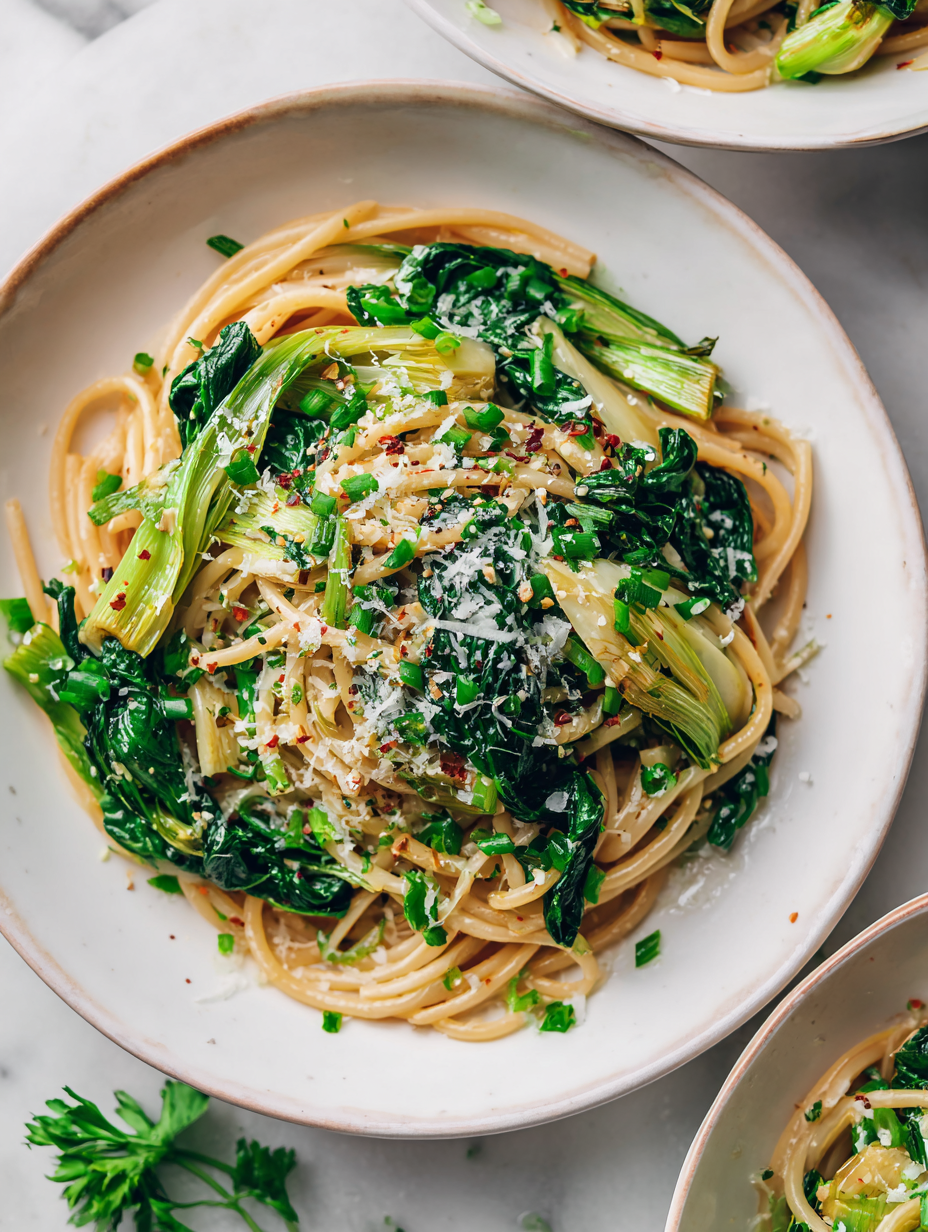
Leek and Spinach Pasta
Ingredients
Equipment
Method
- Bring a large pot of salted water to a rolling boil. Add the pasta and cook until just al dente, about 1 minute less than package instructions. Drain and set aside, reserving a cup of pasta water.
- While the pasta cooks, wash and peel the leeks. Slice them into thin half-moons, about 0.5 cm thick. Rinse thoroughly to remove any grit trapped between layers.
- Heat 3 tablespoons of olive oil in a skillet over medium heat. Add the sliced leeks and cook slowly, stirring often, for about 8-10 minutes until they soften and develop a light golden color. The smell should turn sweet and earthy as they caramelize.
- Add the minced garlic to the leeks and cook for 1 minute until fragrant, being careful not to burn it. The garlic should release a warm aroma, blending with the sweet leek scent.
- Stir in the fresh spinach and cook for 1-2 minutes until just wilted and vibrant green. If the pan seems crowded, add the spinach in batches for even cooking.
- Combine the drained pasta directly into the skillet with the leeks and spinach. Toss gently to coat everything evenly and allow the flavors to meld over low heat for about 2 minutes.
- Add a splash (about 2 tablespoons) of reserved pasta water to help create a silky sauce. Toss again to distribute evenly and loosen the mixture if needed.
- Squeeze the lemon juice over the pasta, then sprinkle generously with freshly grated Parmesan. Toss gently to combine all flavors and let the heat melt the cheese into a smooth, glossy sauce.
- Season with salt and freshly ground black pepper to taste. Taste and adjust seasoning as desired, adding more lemon or cheese if needed.
- Transfer the pasta to serving plates. Drizzle with a little extra olive oil if you like, and serve immediately while warm, with additional Parmesan on top if desired.
Notes
Tips and tricks for perfect pasta
- Bolded mini-head: Caramelize leeks slowly to develop their natural sweetness—use medium heat and patience.
- Bolded mini-head: Toss in spinach at the last moment to keep its vibrant color and fresh flavor.
- Bolded mini-head: Reserve pasta water—it’s starchy and perfect for loosening the sauce without diluting flavor.
- Bolded mini-head: Mince garlic finely so it disperses evenly, releasing aroma without burning quickly.
- Bolded mini-head: Finish with a squeeze of lemon for brightness—don’t skip, it cuts through richness beautifully.
- Bolded mini-head: Grate Parmesan freshly to maximize its nutty aroma and melt quickly into the sauce.
- Bolded mini-head: Keep an eye on heat—avoid high temperatures that can burn garlic or over-brown the leeks.
Common mistakes and how to fix them
- FORGOT to watch heat; over-torched leeks turn bitter—use medium-low for gentle caramelization.
- DUMPED pasta water too early; reserve some to loosen sauce and improve consistency.
- OVER-TORCHED garlic; burns fast, causing bitterness—add later or lower heat when fragrant.
- MISSED to stir leeks regularly; sticking or uneven cooking—stir often for even caramelization.
Quick fixes and pantry swaps
- When sauce is too thick, splash in cold water and stir to loosen.
- If pasta sticks, add a drizzle of olive oil and toss gently.
- Splash lemon juice when sauce dulls for an instant brightening.
- Patch over burnt garlic with fresh minced garlic added later.
- Shield overcooked leeks by lowering heat immediately and stirring gently.
Prep, store, and reheat tips
- Prep the leeks and spinach: Wash, peel, and slice leeks, and chop spinach. Store separately in airtight containers in the fridge for up to 2 days. The aroma of fresh greens keeps the kitchen feeling lively.
- Cook the pasta ahead: Boil until just al dente, drain, and toss with a teaspoon of olive oil. Keep refrigerated in a sealed container for up to 24 hours. The slight sheen helps prevent sticking and keeps it fresh.
- Refrigerate leftover pasta: Store in an airtight container for up to 2 days. Reheat gently to avoid mushiness, noticing how the flavors mellow and meld over time.
- Reheating: Warm in a skillet over low heat or in the microwave with a splash of water or oil. Expect a softer texture but still vibrant flavors, with the aroma of leeks and garlic wafting through the air.
Top questions about Leek And Spinach Pasta
1. How should I cook the leeks for the best flavor?
Leeks should be cooked slowly over medium heat until soft and sweet, about 8–10 minutes. This develops their natural caramelized flavor, making the dish more mellow and savory.
2. When do I add the spinach?
Add spinach just until wilted, about 1–2 minutes, to keep its vibrant color and fresh taste. Overcooking can turn it bitter and slimy.
3. Why should I save pasta water?
Reserve a cup of pasta water before draining. It’s starchy and helps loosen the sauce, making it silky and coating the noodles perfectly.
4. Should I use pre-grated cheese?
Use freshly grated Parmesan for the best nutty aroma and quick melting. Add it at the end to keep the sauce creamy and flavorful.
5. Can I skip the lemon?
A squeeze of fresh lemon brightens the dish, balancing the mellow leeks and earthy spinach with a zesty zing.
6. Can I use a different oil?
Use a good quality olive oil for sautéing; it adds depth and aroma. Cheaper oils might lack the fruity, rich notes that elevate the dish.
7. How do I know when pasta is al dente?
Cook the pasta until just al dente, about 1 minute less than package instructions. Overcooked pasta turns mushy and dull in texture.
8. What if I burn the garlic?
Keep the heat at medium-low when caramelizing leeks and garlic. High heat can burn garlic and over-brown leeks, making them bitter.
9. Should I add oil or cheese after cooking?
Finish with a drizzle of olive oil and extra Parmesan right before serving. It enhances flavor and adds a glossy finish.
10. How should I reheat the pasta?
Reheat leftovers gently in a skillet with a splash of water or olive oil. The dish softens but still retains its comforting aroma and flavor.
This pasta isn’t just about the ingredients; it’s about the quiet moments of cooking and tasting. The gentle sweetness of leeks, the vibrant spinach, all wrapped in a simple, honest sauce. It’s a dish that feels like a little secret, made with love and a bit of patience.
In times when you need something comforting but still fresh, this recipe is there. It’s a reminder that good food doesn’t have to be complicated, just honest and executed with care. Sometimes, that’s all you really need after a long day.

Hi, I’m Madison Lane, the cook, recipe creator, and heart behind this kitchen. Food has been part of my life for as long as I can remember. Some of my earliest memories are of standing beside my dad while he cooked, watching him move comfortably around the kitchen, tasting sauces, and explaining why patience mattered just as much as seasoning.
