
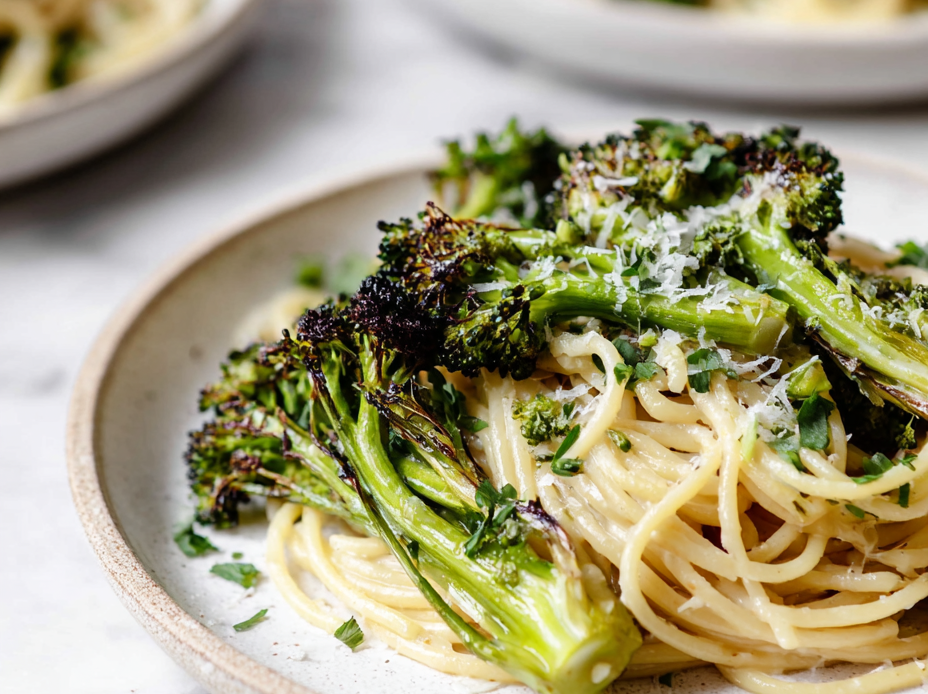
This recipe started from a simple idea: what if I let roasted broccoli be the star, even in a creamy pasta? I love the way the charred edges bring a smoky depth that cuts through the richness of the sauce. It’s a dish that feels humble but has this unexpected punch of flavor.
Getting that perfect roast took a few tries—aim for crispy, slightly blackened bits that add texture and a bit of nostalgia for school lunches turned gourmet. I find that letting the broccoli get a little smoky makes the whole dish sing, balancing the creaminess with a hint of earthiness.
This isn’t your usual quick weeknight pasta. It’s about savoring each step—watching the broccoli turn from bright green to deep, smoky gold, and coaxing the sauce into silky perfection. It’s honest food, meant to be enjoyed with a glass of white and a moment to breathe.
Focusing on the overlooked beauty of how perfectly roasted broccoli transforms a simple creamy pasta, turning it into a dish that balances smoky, charred flavors with rich, silky sauce—making each bite a celebration of texture and depth.
The story behind this recipe
- This dish came about on a rainy afternoon when I had a bag of broccoli that needed using up and a craving for something cozy yet flavorful. I didn’t want a plain pasta, but something that felt a little special—like I was sneaking in a bit of green for good measure.
- I remember roasting the broccoli until it was just charred enough to add a smoky kick, which unexpectedly became the backbone of the sauce. It’s funny how a simple vegetable can transform the whole dish, making it feel earthy and rich without much fuss.
- Each time I make this, I think about those quiet moments in the kitchen, just letting the ingredients speak—knowing that sometimes the simplest things are the most satisfying, especially when they carry a little bit of warmth and nostalgia.
Ingredient breakdown: key components
- Broccoli: I like it roasted until the edges are crispy and slightly blackened, which adds a smoky, almost caramelized flavor. If you prefer a milder taste, blanch it briefly before roasting.
- Pasta: I use a short, ridged variety like rigatoni or penne because it catches the sauce better. For a gluten-free option, try brown rice or chickpea pasta—just watch the cooking time to keep it al dente.
- Cream: Heavy cream makes it luxuriously smooth, but for a lighter version, swap in half-and-half or coconut cream. Expect a slightly different richness, but it still coats the pasta beautifully.
- Garlic: I crush or slice it thin so it infuses quickly and evenly, giving that fragrant punch. For a milder profile, toss in a whole clove early on, then fish it out after a few minutes.
- Lemon: A splash of lemon juice brightens the sauce and cuts through the richness. Use fresh lemon zest for added aroma—the zest also adds a subtle bitterness that balances the cream.
- Parmesan: I prefer freshly grated to get that sharp, nutty flavor. For a dairy-free tweak, try nutritional yeast; it won’t mimic the exact taste but adds a cheesy note and umami depth.
- Olive oil: I swirl in a good quality extra virgin olive oil at the end for shine and flavor. If you only have light olive oil, a splash of toasted sesame oil can add an unexpected nutty aroma.
Spotlight on key ingredients
Cream:
- Broccoli: I like it roasted until the edges are crispy and slightly blackened, which adds a smoky, almost caramelized flavor. If you prefer a milder taste, blanch it briefly before roasting.
- Pasta: I use a short, ridged variety like rigatoni or penne because it catches the sauce better. For a gluten-free option, try brown rice or chickpea pasta—just watch the cooking time to keep it al dente.
- Heavy cream makes it luxuriously smooth, but for a lighter version, swap in half-and-half or coconut cream. Expect a slightly different richness, but it still coats the pasta beautifully.
Lemon:
- Garlic: I crush or slice it thin so it infuses quickly and evenly, giving that fragrant punch. For a milder profile, toss in a whole clove early on, then fish it out after a few minutes.
- A splash of lemon juice brightens the sauce and cuts through the richness. Use fresh lemon zest for added aroma—the zest also adds a subtle bitterness that balances the cream.
Notes for ingredient swaps
- Dairy-Free: Swap heavy cream for coconut cream or cashew cream. Expect a slightly thinner, nutty-tasting sauce.
- Vegan: Use nutritional yeast instead of Parmesan for cheesy flavor, and almond or soy milk in place of cream.
- Gluten-Free: Replace regular pasta with brown rice or chickpea pasta—just watch for slightly different cooking times.
- Lower Fat: Substitute cream with half-and-half or evaporated milk. It won’t be as rich but still creamy enough.
- Extra Smoky: Add a pinch of smoked paprika or a splash of smoky olive oil to deepen the charred flavor profile.
- Lemon Variations: Use lime or vinegar to brighten the dish if lemon isn’t available—just a splash for that zing.
- Olive Oil: If you don’t have good extra virgin, a milder olive oil or a splash of toasted sesame oil can work.
Equipment & Tools
- Large pot: Boil pasta efficiently
- Baking sheet with parchment: Roast broccoli evenly
- Skillet or wide pan: Make and coat with sauce
- Whisk or wooden spoon: Stir sauce and combine ingredients
Step-by-step guide to creamy broccoli pasta
- Equipment & Tools: Use a large pot for boiling pasta, a baking sheet with parchment for roasting broccoli, a skillet for sauce, and a whisk or spoon for stirring.
- Preheat your oven to 220°C (430°F). Line the baking sheet with parchment.
- Cut broccoli into small florets, about 2-3 cm (1 inch). Toss with 2 tbsp olive oil, salt, and pepper. Spread evenly.
- Roast broccoli for 20-25 minutes. Shake halfway through. Look for charred edges and a smoky aroma.
- While broccoli roasts, boil water in the large pot. Salt generously. Cook pasta until just al dente, about 1 minute less than package suggests.
- Drain pasta, reserving 1 cup of pasta water. Set aside.
- In the skillet, heat 1 tbsp olive oil over medium heat. Add 3 minced garlic cloves. Sauté until fragrant, about 30 seconds, until golden.
- Add the roasted broccoli to the skillet. Cook for 2 minutes, stirring to coat with garlic and oil.
- Pour in 1 cup heavy cream. Bring to a gentle simmer, about 2 minutes. The sauce should thicken slightly and turn a pale, silky color.
- Add cooked pasta to the skillet. Toss to coat evenly. If the sauce is too thick, add reserved pasta water a splash at a time until creamy and loosened.
- Stir in 1/2 cup grated Parmesan, lemon zest, and a squeeze of lemon juice. Adjust seasoning with salt and pepper.
- Cook for another minute, letting flavors meld. The sauce should cling to the pasta, glossy and smooth.
- Remove from heat. Rest for 1-2 minutes to settle the sauce and flavors.
- Finish with a drizzle of olive oil, extra Parmesan, and some fresh herbs if desired. Plate immediately.
Let the pasta rest for 1-2 minutes to settle the sauce. Finish with a drizzle of olive oil, extra Parmesan, and herbs. Serve immediately while hot and creamy.
How to Know It’s Done
- Broccoli edges are charred and smoky, not burnt.
- Pasta is al dente, with a slight bite.
- Sauce is silky, coats pasta without being runny.
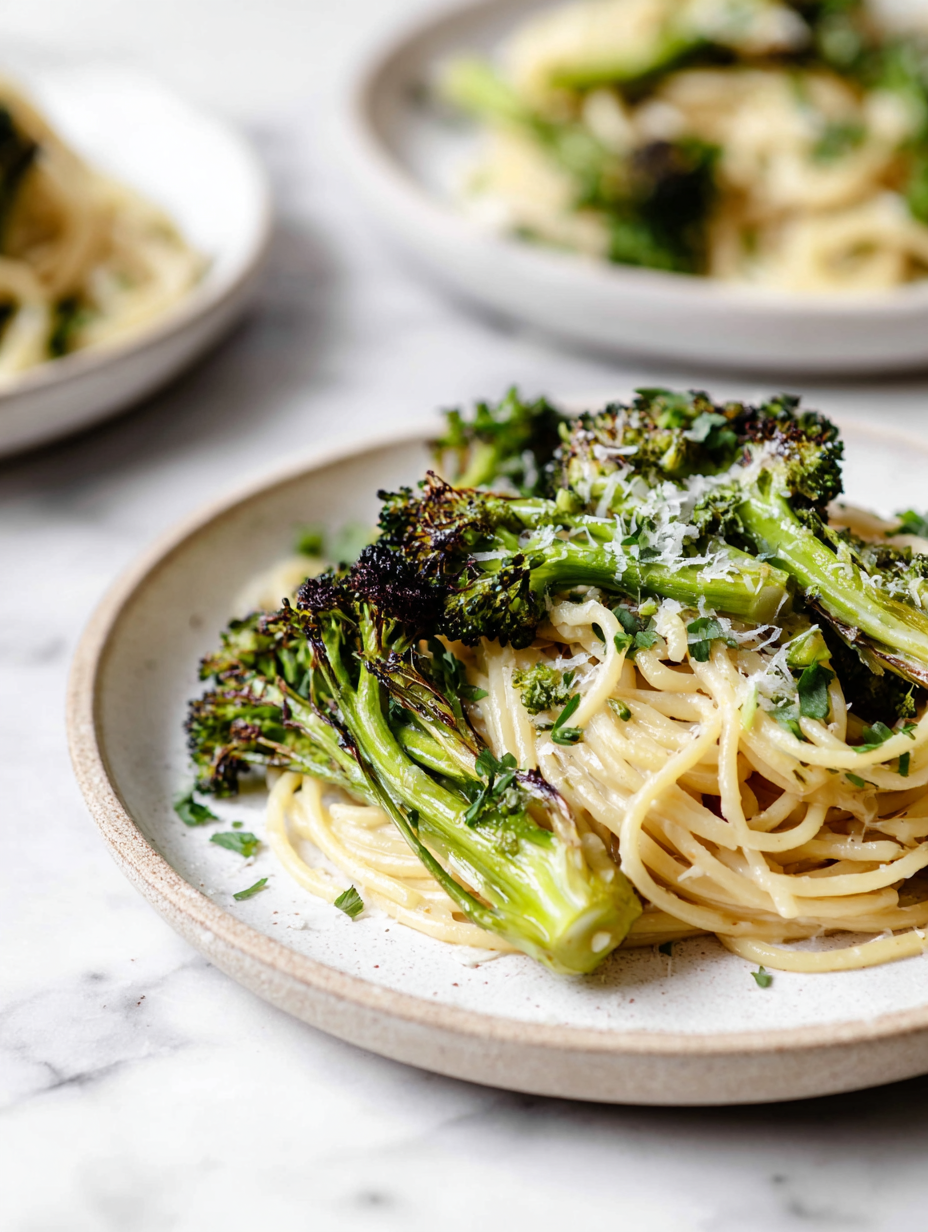
Smoky Roasted Broccoli Pasta
Ingredients
Equipment
Method
- Preheat your oven to 220°C (430°F). Line a baking sheet with parchment paper. Toss the broccoli florets with 1 tablespoon of olive oil, salt, and pepper. Spread evenly on the sheet.
- Roast the broccoli for 20-25 minutes, shaking the pan halfway through. Look for edges that are deeply blackened and crispy, with a smoky aroma filling your kitchen.
- While the broccoli roasts, bring a large pot of salted water to a boil. Cook the pasta until just al dente, about 1 minute less than package instructions. Drain, reserving about 1 cup of pasta water.
- In a wide skillet, heat the remaining 1 tablespoon of olive oil over medium heat. Add the sliced garlic and sauté until fragrant and golden, about 30 seconds. Be careful not to burn it.
- Add the roasted broccoli to the skillet. Cook for 2 minutes, stirring to coat it with the fragrant garlic and oil.
- Pour in the heavy cream and bring it to a gentle simmer. Let it cook for 2-3 minutes until it thickens slightly and turns a silky, pale color.
- Add the cooked pasta to the skillet. Toss everything together, adding reserved pasta water a splash at a time until the sauce is silky and coats the pasta evenly.
- Stir in the grated Parmesan, lemon zest, and a squeeze of lemon juice. Season with salt and pepper to taste, and cook for another minute to meld the flavors.
- Remove from heat, drizzle with a little olive oil, and serve immediately. Enjoy your smoky, creamy broccoli pasta with a glass of white wine for the perfect meal.
Pro tips for creamy broccoli pasta
- Bolded mini-head: Use high heat for roasting broccoli to achieve those desirable crispy, charred edges that add smoky depth.
- Bolded mini-head: Salt your pasta water generously; it flavors the pasta from the inside out, making a noticeable difference.
- Bolded mini-head: Sauté garlic until fragrant but not browned—aim for a golden hue to avoid bitterness in the sauce.
- Bolded mini-head: Reserve pasta water before draining; it’s your secret weapon for adjusting sauce consistency and adding cohesion.
- Bolded mini-head: Toss the pasta in the sauce off heat to prevent clumping and to keep that silky, smooth texture intact.
- Bolded mini-head: Finish with a drizzle of olive oil and lemon zest for brightness and shine, elevating the dish instantly.
Common mistakes and how to fix them
- FORGOT to char broccoli enough → Roast until edges are deeply blackened for smoky flavor.
- DUMPED sauce too early → Let it simmer until it thickens and becomes silky.
- OVER-TORCHED pasta → Cook just to al dente, then immediately drain to avoid mushiness.
- SKIPPED reserving pasta water → Use it to loosen sauce if it gets too thick or sticky.
Quick fixes and pantry swaps
- When sauce is too thick, splash in hot pasta water and stir until silky.
- Splash a bit of lemon juice to brighten dull flavors.
- Patch burnt broccoli edges with fresh, crispy bits from a second roasting.
- Shield sauce from over-torching by lowering heat if it begins to crackle.
- When pasta clumps, toss with a splash of olive oil to loosen.
Prep, store, and reheat tips
- Pre-chop broccoli into florets and store in an airtight container in the fridge for up to 2 days. It saves time and keeps the edges crisp before roasting.
- Cook pasta al dente, then rinse with cold water and store in a sealed container. It keeps well for 1-2 days in the fridge; reheat gently to avoid mushiness.
- Prepare garlic and lemon zest in advance, storing in small jars or bowls. Their bright flavors are ready to toss into the hot sauce.
- The creamy sauce can be made ahead and refrigerated for up to 24 hours. Reheat gently over low heat, stirring often, until silky and warm to restore its luscious texture.
- Roasted broccoli can be cooled and kept in the fridge for up to 1 day. Reheat in the oven or on a skillet until warmed through and slightly crispy around the edges. Watch for smoky aromas.
Top questions about creamy broccoli pasta
1. How do I get the broccoli crispy and smoky?
Roasting broccoli until slightly blackened adds a smoky, caramelized flavor that really elevates the dish. If you prefer a milder taste, blanch it briefly before roasting to keep it tender and less charred.
2. What pasta works best for this recipe?
Use a short, ridged pasta like penne or rigatoni to hold onto the sauce better. For gluten-free, try chickpea or brown rice pasta—just watch the cooking time so it stays al dente.
3. Can I make this with a lighter cream?
Heavy cream makes the sauce rich and silky, but for a lighter version, swap in half-and-half or coconut cream. Expect a slightly different texture but still smooth and flavorful.
4. How do I get the garlic flavor just right?
Slice garlic thinly so it infuses quickly and evenly, creating that fragrant punch. For milder garlic, toss in a whole clove early, then remove it after a few minutes.
5. Should I add lemon? How much?
A splash of fresh lemon juice brightens the creamy sauce and balances the richness. Add lemon zest for an extra aromatic punch—don’t skip it for that fresh, zingy aroma.
6. Can I skip Parmesan or use something else?
Freshly grated Parmesan adds nuttiness and sharpness, melting into the sauce beautifully. For a dairy-free version, nutritional yeast provides a cheesy umami flavor without the dairy.
7. What oil should I finish with?
Good quality extra virgin olive oil at the end gives shine and a fruity note. If unavailable, a splash of toasted sesame oil can add an unexpected nutty depth.
8. How do I prevent burning the broccoli?
Cooking the broccoli at high heat until charred is key to adding smoky flavor. Keep an eye on it; it should be deeply blackened but not burnt beyond the edges.
9. Why do I need to save pasta water?
Reserving pasta water is crucial—it helps loosen the sauce and makes it cling better. Add it gradually until the desired creaminess and coat are achieved.
10. Should I let the pasta rest before serving?
Resting the pasta for a minute after tossing in the sauce allows flavors to meld. Finish with a drizzle of olive oil and freshly grated Parmesan for the best shine and taste.
This creamy broccoli pasta is a dish I keep coming back to, especially on busy nights when I want something satisfying but not overly complicated. The smoky roasted broccoli really takes it into a different realm, making each bite feel a little more special. It’s a reminder that simple ingredients, treated well, can turn into something memorable.
In the end, it’s about those little moments of flipping a switch—transforming a humble plate into a comforting, flavorful escape. Whether you’re cooking for yourself or sharing with others, this dish always feels like a small celebration of good, honest food.
Hi, I’m Madison Lane, the cook, recipe creator, and heart behind this kitchen. Food has been part of my life for as long as I can remember. Some of my earliest memories are of standing beside my dad while he cooked, watching him move comfortably around the kitchen, tasting sauces, and explaining why patience mattered just as much as seasoning.
