
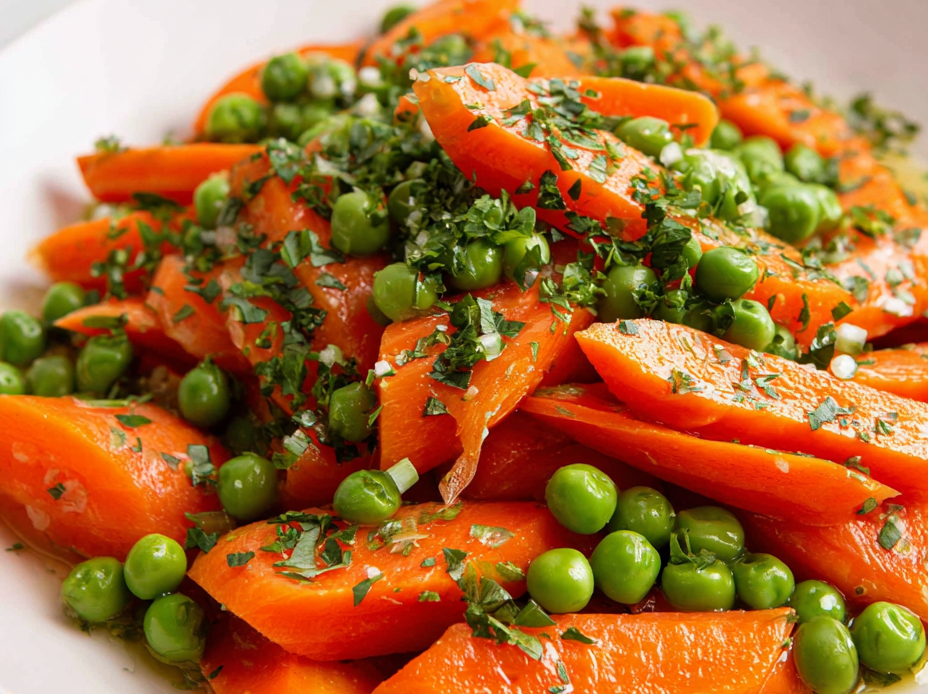
This carrot and peas stir fry is my go-to when I want something quick, bright, and satisfying. It’s the kind of dish I toss together on busy weeknights, relying on the natural sweetness of carrots and the pop of fresh peas. I love how high heat keeps everything crisp and vibrant, almost like a little burst of spring in every bite.
There’s a simplicity here that’s deceptive—each ingredient shines without much fuss. It’s a reminder that good food doesn’t need complicated sauces or fancy ingredients, just a little patience and a hot pan. Plus, it’s endlessly adaptable, making it perfect for whatever’s lurking in the fridge.
This recipe focuses on transforming simple, everyday vegetables—carrots and peas—into a vibrant, flavor-packed stir fry that emphasizes fresh, seasonal ingredients and quick, high-heat cooking techniques to preserve their natural sweetness and crunch.
The story behind this recipe
- This stir fry came from a moment of kitchen chaos—frozen peas and carrots, a craving for something fresh, and a pan that was hotter than it should be. I wanted something quick but still bright, not just thrown together but with a little thought. It’s funny how simple ingredients can surprise you when treated right.
- One day, I was rushing home after a long day, digging through the freezer, and found these two lonely vegetables. I threw them in a hot pan with garlic and soy, and suddenly, I was reminded how everyday produce can turn into a lively, satisfying dish. That little burst of crunch and sweetness became a small reminder—simple can be spectacular.
- It’s become a standby in my kitchen, especially when I want to clear out some fridge odds and ends. No fuss, just fast, fresh, and honest—sometimes that’s all you need.
Key ingredients and tips
- Carrots: I like to julienne them thin—makes them cook quickly and adds a satisfying crunch. You can dice them smaller if you prefer softer bites.
- Peas: Fresh or frozen, they brighten the dish with their sweet, slightly grassy flavor. Frozen peas are more forgiving and keep their pop better when cooked.
- Garlic: I crush and finely chop it; the aroma filling the kitchen is my sign to turn up the heat. For a milder flavor, toss in whole cloves and fish out later.
- Soy sauce: Adds umami and saltiness—don’t overdo it at first; you can always add more. A splash of sesame oil at the end makes it feel richer and nuttier.
- Oil: Use a neutral oil with a high smoke point, like grapeseed or canola. It crackles and sizzles when hot, giving the veggies that perfect sear.
- Ginger (optional): A small knob, grated finely, gives a fresh zing. Skip if you’re not in the mood or add a squeeze of lemon instead for brightness.
- Green onions: I scatter these right before serving—they add a crisp bite and a fresh, oniony aroma that lifts everything.
Spotlight on key ingredients
Carrots:
- I julienne them thin—quick cooking and satisfying crunch. Thinner slices meld better with the stir fry’s quick heat.
- Peas: Frozen or fresh, they’re sweet and grassy, adding a fresh burst. Frozen peas hold their pop even after a quick cook.
Peas:
- Their bright green color and sweet flavor pop when heated. They turn tender with a slight snap, adding freshness and texture to every bite.
- Carrots: They soften slightly but keep their vibrant orange hue and crunch. Their natural sweetness intensifies with quick high-heat cooking.
Notes for ingredient swaps
- Dairy-Free: Swap soy sauce for coconut aminos—less salty, slightly sweeter, but still umami-rich.
- Vegetarian: Use tamari or mushroom sauce instead of soy—adds depth without fishy notes.
- Gluten-Free: Choose tamari or a gluten-free soy sauce—keeps the flavor intact without gluten.
- Sweetener: Add a dash of honey or maple syrup if you want a hint of sweetness to balance the veggies.
- Oil: Replace neutral oil with toasted sesame oil at the end—brings a nutty aroma and richer flavor.
- Peas: Fresh peas can be swapped for snap peas or snow peas, adding a slightly different crunch and flavor.
- Carrots: Use parsnips or sweet potatoes for a rootier, sweeter twist—slice thin for quick cooking.
Equipment & Tools
- Large wok or wide skillet: For quick, even heat and easy tossing of vegetables.
- Spatula: To stir and toss the vegetables without breaking them.
- Sharp knife: For julienning carrots and chopping garlic or ginger.
Step-by-step guide to stir frying
- Gather your equipment: a large wok or wide skillet, a spatula, and a sharp knife. The wok heats evenly and helps toss the veggies with ease.
- Prep the vegetables: julienne the carrots into thin strips, and measure out your peas, garlic, and ginger if using. Keep everything within arm’s reach.
- Heat the wok over high heat until it’s shimmering—about 200°C/392°F. Add a tablespoon of neutral oil, let it shimmer and crackle.
- Add the carrots first: toss them into the hot oil, stirring constantly for about 2 minutes. They should turn bright orange and smell sweet.
- Next, add the garlic (and ginger if using): cook for 30 seconds until fragrant, watching carefully to avoid burning. You want a fragrant, slightly nutty aroma.
- Toss in the peas: stir quickly, letting them heat through for 1-2 minutes. They should turn a vibrant green, still with a slight crunch.
- Pour in 2 tablespoons soy sauce: quickly toss everything to coat evenly. Watch for a slight shimmer and the smell of salty umami.
- Cook for another 30 seconds, then taste. If needed, add a splash more soy or a squeeze of lemon for brightness. The veggies should be tender but crisp, with a lively color.
- Remove from heat. Let the stir fry sit for a minute to settle flavors. Scatter chopped green onions on top for freshness.
- Plate immediately. Serve hot, with rice or noodles if desired. The stir fry should be crackling and fragrant when you dig in.
Transfer the stir fry to a serving plate immediately. Scatter chopped green onions on top. Serve hot with rice or noodles for an extra comforting touch.
How to Know It’s Done
- Carrots are bright orange and slightly tender but still crisp.
- Peas are vibrant green, heated through, with a pop when bitten.
- A fragrant aroma of garlic and soy fills the kitchen, and the veggies shimmer with oil.
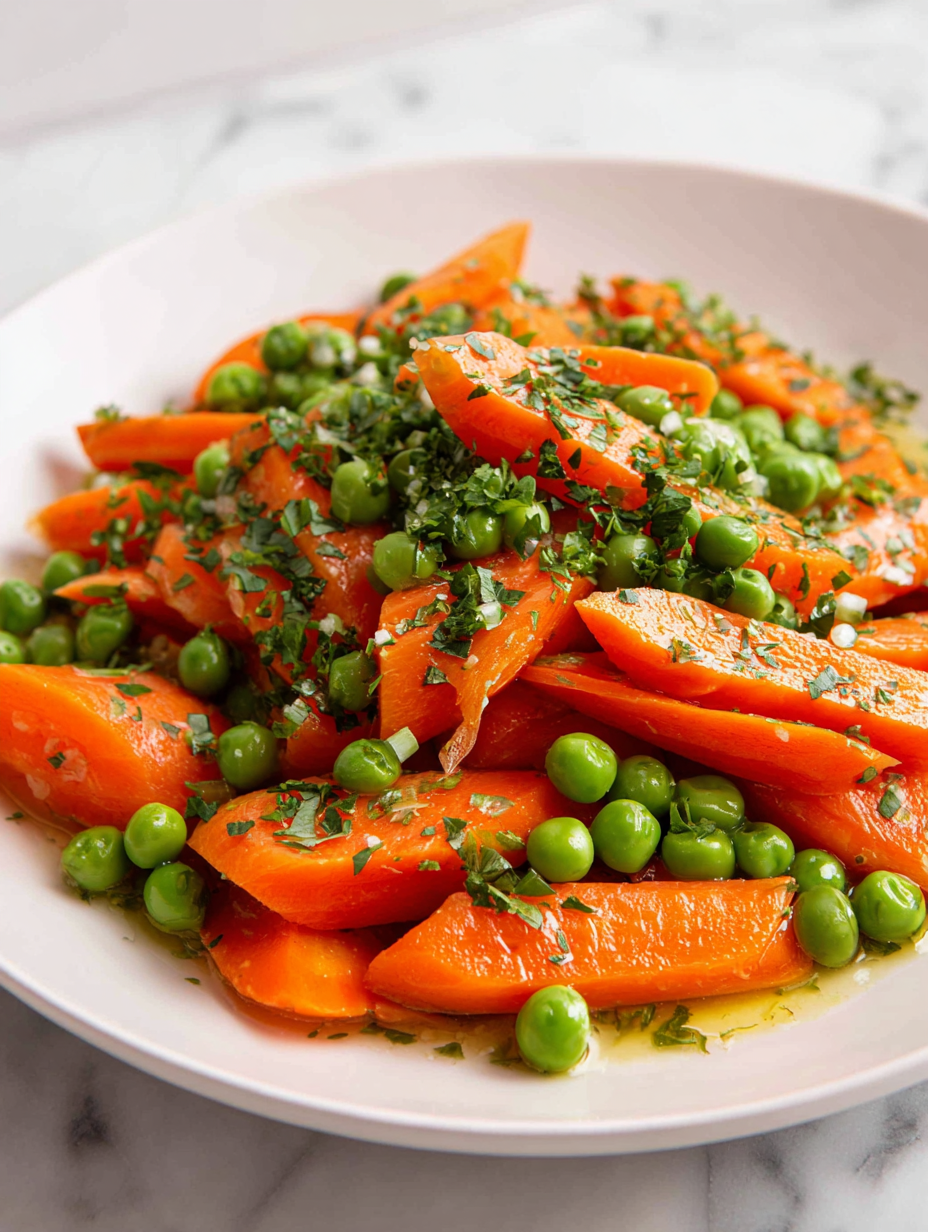
Carrot and Peas Stir Fry
Ingredients
Equipment
Method
- Prepare all ingredients: julienne the carrots into thin strips, finely chop the garlic, and measure out the peas and soy sauce. Keep everything within easy reach for quick cooking.
- Heat your wok or wide skillet over high heat until shimmering—this should take about 1 minute and you’ll see a faint ripple on the surface.
- Add the neutral oil to the hot pan, swirling to coat the surface evenly. You should hear a crackle as it hits the hot wok.
- Immediately toss in the julienned carrots, stirring constantly with the spatula. Cook for about 2 minutes until they turn bright orange and start to soften slightly, releasing a sweet aroma.
- Add the finely chopped garlic to the wok, stirring quickly for about 30 seconds until it becomes fragrant and slightly golden, but not burnt.
- Pour in the peas, stirring briskly to heat through and coat with the garlic and carrots. Cook for 1-2 minutes until peas are bright green and tender but still slightly crisp.
- Drizzle the soy sauce over the vegetables, tossing quickly to evenly coat everything. The mixture should shimmer with a savory glaze and fill your kitchen with a salty, umami aroma.
- Cook for another 30 seconds, taste the vegetables, and adjust with a little more soy if needed. They should be crisp-tender, vibrant in color, and coated in a shiny sauce.
- Remove from heat and transfer the stir fry to a serving dish. Scatter chopped green onions on top for a fresh, crisp bite and aroma.
- Serve immediately while hot, ideally alongside rice or noodles to make a complete, satisfying meal.
Pro tips for stir-frying vegetables
- Bolded mini-head: Use high heat → Ensures rapid searing, locking in crunch and sweetness.
- Bolded mini-head: Keep vegetables dry → Prevents splattering and promotes even browning.
- Bolded mini-head: Stir constantly → Maintains even cooking and prevents burning of garlic.
- Bolded mini-head: Add peas last → Keeps their bright color and crisp-tender texture.
- Bolded mini-head: Taste and adjust → Always check for salt and brightness before serving.
- Bolded mini-head: Use a wide pan → Helps veggies cook quickly and evenly without steaming.
- Bolded mini-head: Finish with oil or lemon → Adds shine, flavor, and a fresh aroma.
Common stir-fry mistakes and how to fix them
- FORGOT the high heat → Veggies will steam, not sear. Keep heat high and stir constantly.
- DUMPED too much oil → Excess oil makes veggies greasy. Use only enough to coat lightly.
- OVER-TORCHED the garlic → Burnt garlic tastes bitter. Add garlic after carrots start softening.
- UNDERCOOKED peas → They stay hard and dull. Add peas last, cook briefly until vibrant green and tender.
Quick fixes and pantry swaps
- When veggies look dull → Splash a little rice vinegar for brightness and shimmer.
- If stir fry sticks to pan → Patch with a splash of water and quick stir to deglaze.
- Splash soy sauce early → It can burn if added too soon; add at the end to keep flavor vibrant.
- When carrots aren’t tender → Cover and steam for 1-2 minutes, then uncover and stir-fry again.
- DUMPED too much oil → Use a paper towel to soak up excess, then reheat with a splash of fresh oil.
Prep, store, and reheat tips
- Prep the carrots and peas ahead: julienne carrots and measure peas. Keep refrigerated in airtight containers for up to 24 hours. They stay crisp and fresh, ready to toss in.
- Store any leftover stir fry in an airtight container in the fridge. It’s best enjoyed within 1-2 days; beyond that, the veggies soften and lose their vibrant crunch.
- Reheat gently in a hot skillet or wok, stirring frequently. The aroma of garlic and soy will re-emerge, and the vegetables will regain some of their original texture if not overcooked.
- For best flavor, reheat only once. Over-warming can make the veggies mushy and dull in color, so keep an eye on the heat and time. Serve immediately for crispness.
Top questions about carrot and peas stir fry
1. Can I use frozen peas or fresh peas?
Use fresh peas when possible for a sweeter, firmer bite, but frozen peas work just fine and are more forgiving if overcooked.
2. How should I cut the carrots?
Julienne carrots thinly so they cook quickly and stay crisp; thicker slices will take longer and may soften too much.
3. What oil is best for stir frying?
A high smoke point oil like grapeseed or canola is best; it crackles and sears without burning at high heat.
4. When should I add soy sauce?
Add soy sauce towards the end for a shiny, savory coating; too early and it can burn or turn bitter.
5. What temperature should I cook at?
Cook the vegetables over high heat, around 200°C/392°F, to keep them bright and crunchy, stirring constantly.
6. Why are my vegetables soggy?
If the veggies release too much water and start steaming, increase heat or cook in smaller batches to maintain sear.
7. How can I enhance the flavor at the end?
Finish with a squeeze of lemon or a splash of sesame oil for extra brightness and depth of flavor.
8. How long can I store leftovers?
Store leftovers in an airtight container in the fridge for up to 2 days. Reheat quickly in a hot pan for best texture.
9. What equipment do I need?
Use a wide pan or wok to ensure quick, even cooking and easy tossing of the vegetables.
10. Any tips for prepping vegetables?
Ensure vegetables are dry before adding oil to prevent splattering and promote proper searing.
This stir fry is a reminder that simple ingredients can deliver big flavor when treated with care and high heat. It’s perfect for those nights when you want something quick, fresh, and honest, with a little crunch and sweetness to brighten your day.
Sometimes, all it takes is a hot pan and a handful of vegetables to turn a busy evening into a small celebration of everyday cooking. These quick, vibrant bites keep me grounded and remind me why I love the simplicity of good, honest food.
Hi, I’m Madison Lane, the cook, recipe creator, and heart behind this kitchen. Food has been part of my life for as long as I can remember. Some of my earliest memories are of standing beside my dad while he cooked, watching him move comfortably around the kitchen, tasting sauces, and explaining why patience mattered just as much as seasoning.
