
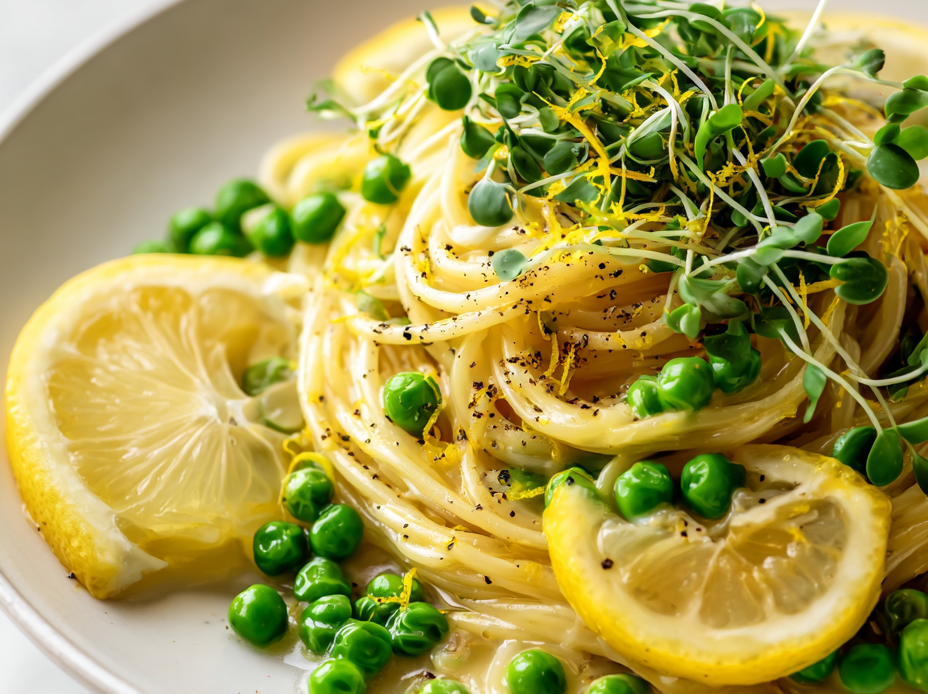
This lemon pea pasta is my go-to when I want something quick, fresh, and a little unexpected. The bright zing of lemon paired with the sweet, tender peas somehow makes the simplest ingredients feel special. It’s like a whisper of spring in every bite, even if it’s still chilly outside.
I love how this dish balances that crisp citrus burst with the mellow, almost buttery sweetness of the peas. It’s a reminder that you don’t need a long list of fancy ingredients to make something memorable. Sometimes, the best meals come together with just a handful of good, honest stuff and a little bit of zest.
Honestly, I turn to this recipe when I need a little comfort that’s not heavy — it’s lively, fresh, and easy enough to throw together after a busy day. No fuss, no complicated techniques, just pure, straightforward flavors that lift your mood and make you feel like spring has arrived, even if it hasn’t quite.
Focusing on the bright, fresh contrast of lemon and sweet peas, this dish highlights how simple ingredients can create a vibrant, spring-inspired pasta that feels both nostalgic and unexpectedly sophisticated.
The story behind this recipe
- This recipe started from a moment of kitchen chaos—no planned dinner, just a bunch of ingredients I wanted to use up quickly. I remembered a dish I had at a tiny trattoria in Italy, where the lemon and peas danced bright and fresh in a simple pasta. That memory stuck with me, and I started improvising, looking for that same zing and sweetness.
- It’s become my go-to when I want something honest and bright, especially in spring when peas are at their peak. I love how it turns everyday ingredients into something that feels just a little special—like a secret burst of sunshine on a plate.
- heading: The story behind this recipe
Ingredient breakdown: key components
- Fresh green peas: I love the pop of sweetness and their bright color, but frozen peas work perfectly if fresh aren’t available—just thaw first to keep the pasta from turning dull.
- Lemon zest and juice: The zest adds a fragrant, slightly bitter citrus note that wakes up the whole dish; don’t skip it. For a more mellow citrus, cut back on the juice slightly.
- Pasta: I prefer using a thin spaghetti or linguine—something that catches the sauce and peas well. Whole wheat adds nuttiness if you want a heartier vibe.
- Olive oil: Use a good extra virgin—its peppery, fruity notes really shine when heated gently. If you like a richer flavor, a splash of browned butter can add depth.
- Garlic: I usually crush and sauté until just fragrant—be careful not to burn it; it turns bitter quickly. If you’re sensitive to garlic, add a little later in the cooking process.
- Parmesan: Freshly grated is best for that umami hit. Substitute with Pecorino Romano if you want a sharper, saltier punch—just watch the salt levels.
- Salt & pepper: Always taste before adding extra salt—peppers should be fresh ground for a lively kick that complements the citrus.
Spotlight on key ingredients
Lemon and Peas:
- Fresh green peas: I love the pop of sweetness and their bright color, but frozen peas work perfectly if fresh aren’t available—just thaw first to keep the pasta from turning dull.
- Lemon zest and juice: The zest adds a fragrant, slightly bitter citrus note that wakes up the whole dish; don’t skip it. For a more mellow citrus, cut back on the juice slightly.
Notes for ingredient swaps
- Dairy-Free: Swap Parmesan for nutritional yeast or a splash of dairy-free cheese. It won’t melt the same but adds umami.
- Vegan: Use olive oil instead of butter and skip cheese, or try a vegan cheese for creaminess and saltiness.
- Frozen Peas: Thaw and drain thoroughly if using frozen—fresh peas are ideal but not always in season.
- Lemon: For less tartness, reduce juice; or try lime for a slightly different citrus brightness.
- Pasta: Whole wheat or chickpea pasta adds nuttiness or protein; cook slightly longer if they tend to be denser.
- Oil: Light sesame oil gives a nutty aroma—use sparingly to avoid overpowering the lemon-pea flavor.
- Herbs: Fresh mint or basil can add a different herbal note—add at the end for max freshness.
Equipment & Tools
- Large pot: Boil pasta efficiently in ample water.
- Skillet: Cook the garlic, peas, and sauce components.
- Grater: Zest lemon finely for bright flavor.
- Ladle or slotted spoon: Reserve pasta water and drain pasta.
Step-by-step guide to lemon pea pasta
- Equipment & Tools: Get a large pot for boiling, a skillet for sauce, a spoon for stirring, and a grater for zest.
- Bring 4 liters (about 16 cups) of water to a rolling boil in your large pot. Add a generous pinch of salt.
- Drop in 200g (7 oz) of pasta—linguine or thin spaghetti works best. Cook until al dente, about 8 minutes.
- While pasta cooks, zest one lemon finely and set aside. Then juice half the lemon, about 2-3 tablespoons.
- In your skillet, warm 2 tablespoons of good olive oil over medium-low heat (~130°C / 265°F).
- Add 2 minced garlic cloves; cook gently until fragrant, about 30 seconds. Don’t let it brown or it’ll turn bitter.
- Toss in 1 cup of fresh or thawed frozen peas. Stir and cook for 1-2 minutes until just tender and bright green.
- Drain pasta, reserving about ½ cup of pasta water. Add pasta to the skillet with peas and garlic.
- Pour in lemon juice, lemon zest, and ¼ cup of pasta water. Toss everything together over low heat for 1 minute.
- Off the heat, stir in ¼ cup grated Parmesan. Taste and add salt or pepper as needed—aim for bright, balanced flavor.
- Rest the pasta for 1-2 minutes. Finish with a drizzle of olive oil and extra lemon zest if desired. Plate and serve immediately.
Let the pasta rest in the skillet for a minute to meld flavors. Finish with a drizzle of olive oil, extra lemon zest, and a final sprinkle of Parmesan. Serve immediately while bright and fresh.
How to Know It’s Done
- Pasta is cooked to al dente—bite should be firm but not hard.
- Peas are bright, tender, and vibrant green with a slight pop when bitten.
- Lemon aroma is fresh and citrusy, with a fragrant zest that shimmers through the dish.
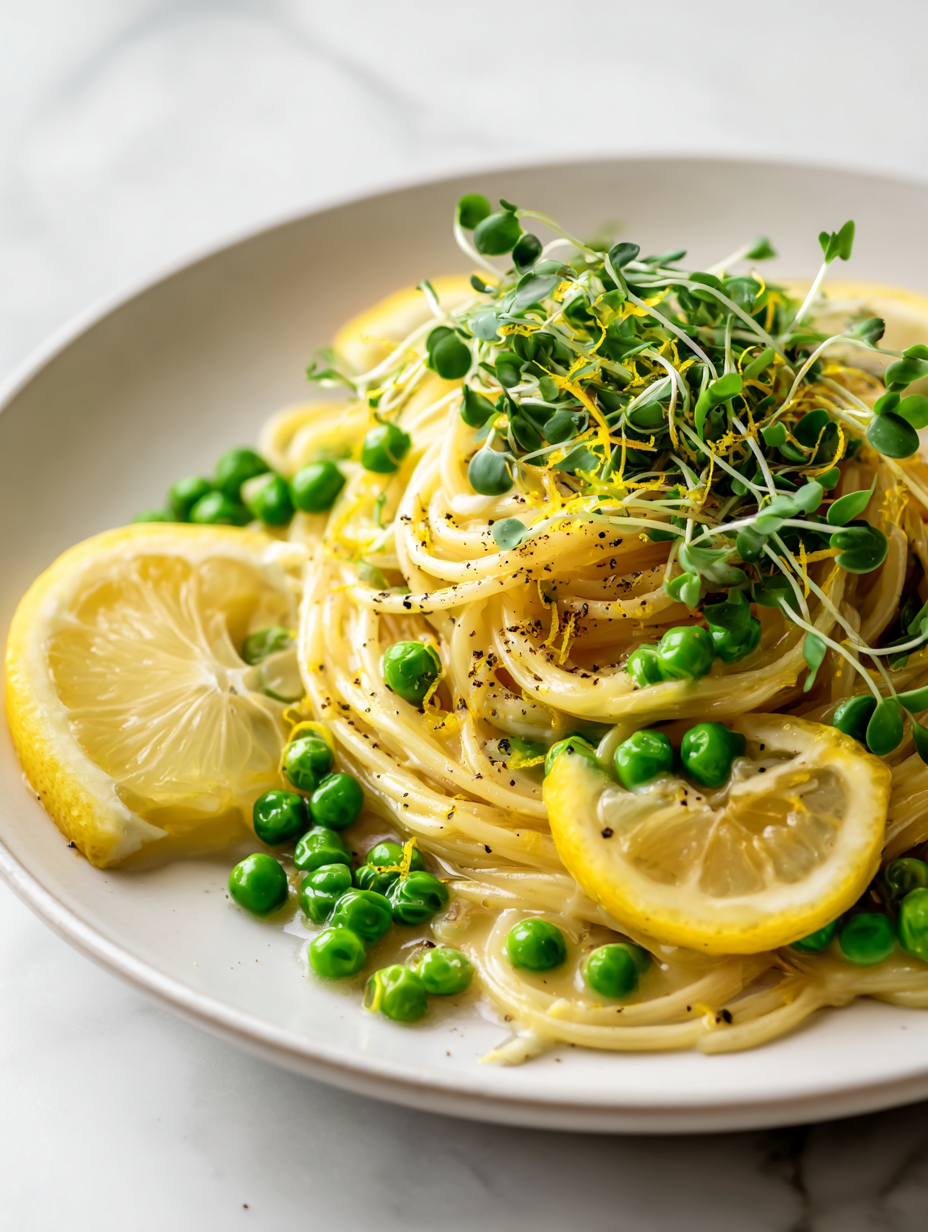
Lemon Pea Pasta
Ingredients
Equipment
Method
- Bring a large pot of salted water to a rolling boil. Add the pasta and cook until just al dente, about 8 minutes, until it has a slight bite and is tender but still firm.
- While the pasta cooks, finely zest the lemon and then juice half of it, about 2-3 tablespoons. Set both aside for later.
- Drain the pasta, reserving about ½ cup of the starchy pasta water, then set the pasta aside.
- In a skillet, warm the olive oil over medium-low heat until it just starts to shimmer and smells fragrant. Add the minced garlic and sauté gently, stirring constantly, until fragrant and just beginning to turn golden, about 30 seconds—be careful not to brown it too much.
- Add the fresh or thawed peas to the skillet and cook for 1-2 minutes, stirring until they are bright green and just tender, releasing their sweet aroma.
- Transfer the drained pasta into the skillet with the peas and garlic. Pour in the lemon juice and add a splash of the reserved pasta water to help create a light sauce. Toss everything together gently over low heat, allowing flavors to meld for about 1 minute.
- Remove the skillet from heat and stir in the grated Parmesan cheese until melted and creamy. Taste and season with salt and freshly ground pepper as needed, aiming for a bright, balanced flavor.
- Finish by adding the lemon zest for a fragrant citrus punch and a drizzle of extra virgin olive oil for shine. Toss gently to combine everything beautifully.
- Serve immediately, garnished with additional Parmesan and lemon zest if desired, enjoying the fresh, vibrant flavors with every bite.
Pro tips for perfect lemon pea pasta
- Bolded mini-head: Use fresh lemon zest for a fragrant, zingy aroma that brightens the entire dish.
- Bolded mini-head: Gently sauté garlic until just fragrant—avoid browning to prevent bitterness and preserve sweetness.
- Bolded mini-head: Reserve some pasta water; its starchy quality helps loosen and emulsify the sauce perfectly.
- Bolded mini-head: Add peas at the right moment—just until tender and vibrant green for optimal pop and sweetness.
- Bolded mini-head: Toss pasta in the skillet off heat to prevent overcooking and keep the sauce lively and fresh.
- Bolded mini-head: Finish with a splash of olive oil and extra lemon zest to boost flavor and add a shiny, appetizing look.
- Bolded mini-head: Adjust seasoning last—taste the sauce before adding salt or pepper, balancing citrus and salt for brightness.
Common mistakes and how to fix them
- FORGOT to taste and adjust salt → Always taste pasta water and sauce before serving.
- DUMPED the pasta water too early → Reserve some to loosen the sauce if needed.
- OVER-TORCHED the garlic → Sauté gently until fragrant, not browned or bitter.
- SKIPPED lemon zest → Add zest for a bright, fragrant citrus punch that elevates the dish.
Quick fixes and pantry swaps
- If the pasta clumps, splash hot water and toss gently to loosen strands.
- When sauce is too thick, add a splash of reserved pasta water for shine and looseness.
- Splash lemon juice directly onto peas for an extra burst of brightness.
- Patch overcooked peas with a quick stir in lemon zest and a drizzle of olive oil.
- Shield burnt garlic by removing it immediately and starting the sauté with fresh garlic.
Prep, store, and reheat tips
- Prep the lemon zest and juice a day ahead; store in an airtight container in the fridge. Bright citrus lifts the dish, so don’t skip this step.
- You can cook the pasta and blanch the peas a few hours in advance. Keep them separate, refrigerated, in sealed containers. Reheat gently to avoid over-softening.
- Storing leftovers in an airtight container in the fridge keeps for up to 2 days. The flavors mellow slightly, but the lemon brightness remains sharp if stored properly.
- Reheat the pasta in a skillet over low heat with a splash of water or olive oil. Toss gently until heated through and the sauce shimmers again. Avoid overheating to prevent mushiness.
- For best flavor, add fresh lemon zest and Parmesan after reheating. The dish tends to lose some vibrancy in the fridge but still tastes fresh with these touches.
Top questions about lemon pea pasta
1. Why is lemon zest important in this recipe?
Fresh lemon zest adds a vibrant, fragrant citrus aroma that really lifts the dish. Skip it if you prefer a milder flavor, but the brightness is what makes this dish special.
2. Can I use frozen peas instead of fresh?
Frozen peas work just fine if fresh aren’t available. Just thaw and drain them thoroughly to avoid watering down the dish.
3. Why should I save pasta water?
Reserve a little pasta water before draining. Its starchy quality helps loosen the sauce and makes everything cling better.
4. How do I prevent garlic from burning?
Cook the garlic gently until fragrant, about 30 seconds. If it browns or burns, it turns bitter and can ruin the flavor.
5. When should I add cheese to the pasta?
Adding Parmesan at the end allows it to melt smoothly and enhances that savory, umami flavor. Pecorino Romano can add a sharper edge if you like.
6. What kind of olive oil should I use?
Use a light olive oil—extra virgin is best—to bring out the fruitiness and peppery notes. A drizzle at the end adds a lovely shine and flavor.
7. How do I keep the pasta from getting mushy?
To keep the pasta lively, toss it in the skillet off heat and add lemon juice and zest right before serving. This preserves brightness and texture.
8. Can I make any part of this recipe ahead of time?
You can prepare the lemon zest and juice a day ahead. Keep them refrigerated in an airtight container for maximum freshness.
9. How should I reheat leftover pasta?
Reheat leftovers gently in a skillet over low heat, adding a splash of water or oil to revive the sauce and keep the peas tender.
10. What if the sauce gets too thick?
If the sauce becomes too thick, stir in a bit of reserved pasta water or lemon juice to loosen it up and restore shine.
This lemon pea pasta is a reminder that bright, fresh flavors can really lift your day. It’s a simple dish, but one that feels like a little celebration of spring, no matter the season.
Whenever I make it, I’m struck by how something so straightforward can be so satisfying. It’s honest, lively, and always manages to make me feel a bit more connected to those sunny, fleeting moments of the year.
Hi, I’m Madison Lane, the cook, recipe creator, and heart behind this kitchen. Food has been part of my life for as long as I can remember. Some of my earliest memories are of standing beside my dad while he cooked, watching him move comfortably around the kitchen, tasting sauces, and explaining why patience mattered just as much as seasoning.
