
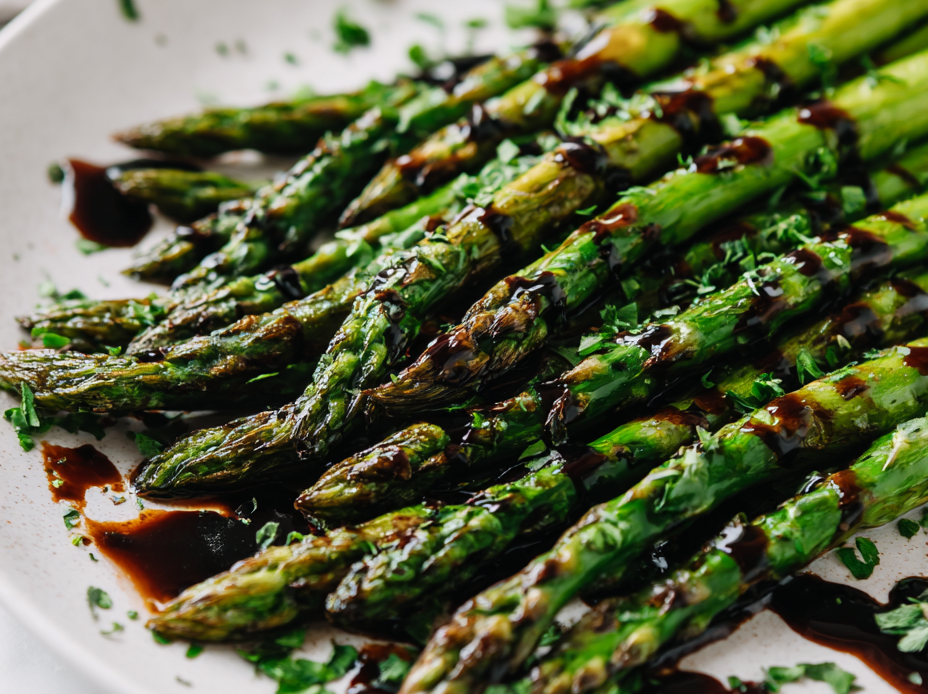
There’s something about the glossy, sweet-tangy drizzle of balsamic glaze that makes humble roasted asparagus feel special. It’s not about complicated techniques, but about how a small splash at the right moment can change everything. I love how this simple dish turns out to be both bright and cozy, perfect for a quick weeknight or a laid-back weekend dinner.
I often find myself reaching for this combo when I want something that feels indulgent but still honest. The balsamic’s caramelized sweetness clings to the tender spears, creating a satisfying contrast of textures and flavors. It’s surprising how a single ingredient can elevate a vegetable to something memorable, almost like a little celebration on your plate.
This recipe is a reminder that you don’t need much to make a dish feel luxurious. Just a good quality balsamic and fresh asparagus, a hot oven, and a little patience. It’s a lesson in how simplicity, combined with a touch of acidity and sweetness, can turn everyday ingredients into a dish worth savoring.
Focusing on the transformative power of balsamic glaze to elevate simple roasted asparagus, highlighting how a small, sweet tang can turn an everyday veggie into a memorable dish.
The story behind this recipe
One evening, I was late home from a long day, craving something simple but packed with flavor. I remembered the first time I tried balsamic glaze drizzled over roasted vegetables — it was like rediscovering a childhood favorite, but grown-up and richer. I started experimenting with asparagus, thinking how a bit of sweetness could transform its grassy bite. That moment of spontaneous kitchen play turned into this recipe, a reminder that sometimes, the best dishes come from just trusting your instincts and a little bit of sweet, tangy magic.
Component Insights
- Asparagus: I prefer thick spears—they hold up better in roasting and have a satisfying snap. If yours are thin, just watch the cooking time; they can overcook quickly.
- Olive oil: I use good extra virgin—makes the edges shimmer and adds a fruity aroma. For a lighter touch, a splash of avocado oil works fine.
- Salt: Kosher salt is my go-to—it brings out the natural sweetness of the asparagus. If you only have fine sea salt, use a bit less to avoid over-salting.
- Balsamic glaze: I love a thick, syrupy glaze; it clings beautifully and caramelizes slightly on the hot spears. For a sharper tang, add a splash of aged balsamic vinegar before drizzling.
- Additional herbs (optional): A sprinkle of thyme or a few basil leaves can add fresh notes. I keep it simple, but herbs can elevate the dish.
- Pepper: Freshly cracked black pepper adds a gentle heat and depth. Be generous if you love a bit of spice in every bite.
- Lemon zest (optional): Just a tiny grating brightens the dish with citrus and cuts through the sweetness of the glaze—use it after roasting for a fresh pop.
Spotlight on Key Ingredients
Asparagus:
- I prefer thick spears—they hold up better in roasting and have a satisfying snap. If yours are thin, just watch the cooking time; they can overcook quickly.
- Olive oil: I use good extra virgin—makes the edges shimmer and adds a fruity aroma. For a lighter touch, a splash of avocado oil works fine.
- Salt: Kosher salt is my go-to—it brings out the natural sweetness of the asparagus. If you only have fine sea salt, use a bit less to avoid over-salting.
Balsamic glaze:
- I love a thick, syrupy glaze; it clings beautifully and caramelizes slightly on the hot spears. For a sharper tang, add a splash of aged balsamic vinegar before drizzling.
- Pepper: Freshly cracked black pepper adds a gentle heat and depth. Be generous if you love a bit of spice in every bite.
- Lemon zest (optional): Just a tiny grating brightens the dish with citrus and cuts through the sweetness of the glaze—use it after roasting for a fresh pop.
Notes for ingredient swaps
- Dairy-Free: Skip butter or cheese—this dish doesn’t rely on dairy for flavor or texture.
- Vinegar Swap: Use apple cider vinegar in the glaze for a fruitier, less tangy finish.
- Sweetener Alternative: Maple syrup can replace honey—adds a different but cozy sweetness.
- Oil Choices: Avocado or grapeseed oil can stand in for olive oil—less fruity, more neutral.
- Herb Variations: Fresh thyme or rosemary instead of basil or parsley—adds earthy depth.
- Salt Type: Use sea salt flakes for a crunch, or Himalayan pink salt for a mild mineral note.
- Pepper: Ground white pepper if you prefer less visible specks but same mild heat.
Equipment & Tools
- Baking sheet: To roast the asparagus evenly in a hot oven.
- Mixing bowl: To toss the asparagus with oil and seasonings.
- Saucepan: To simmer and reduce balsamic vinegar into glaze.
- Silicone spatula: To stir the balsamic as it thickens.
- Serving platter: To present the roasted asparagus attractively.
Step-by-step guide to roasted asparagus
- Preheat your oven to 220°C (425°F). Gather a baking sheet, preferably rimmed, to prevent drips. Toss the asparagus with a good drizzle of olive oil—enough to coat but not pool. Spread them out in a single layer for even roasting.
- Roast the asparagus for 10-12 minutes. Check at 10 minutes; the tips should be just starting to turn golden and crisp. The stalks should be tender when pierced with a fork. If they’re still stiff, give them a couple more minutes, but don’t overdo it—overcooked asparagus gets mushy.
- While the asparagus roasts, prepare the balsamic glaze. If using store-bought, have it ready to drizzle. For homemade, simmer ½ cup of balsamic vinegar with 1 tablespoon of honey until thickened and syrupy—about 10-15 minutes. Let it cool slightly before use.
- Once out of the oven, transfer the asparagus to a serving platter. Drizzle generously with balsamic glaze—think of it as a sticky, glossy coating. Toss gently to coat evenly. If you like, sprinkle with freshly cracked black pepper and a hint of lemon zest for brightness.
- Serve immediately. The warmth from the asparagus helps the glaze cling and intensify in flavor. If not eating right away, keep at room temperature and reheat lightly if needed, but best enjoyed fresh for that crisp-tender bite and caramelized edges.
Serve hot or warm, drizzled with glaze. Let the asparagus rest for 2 minutes to allow flavors to meld before plating. Finish with a sprinkle of fresh herbs or lemon zest if desired.
How to Know It’s Done
- Tips are golden and slightly crisp at edges.
- Stems are tender when pierced with a fork.
- Balsamic glaze is thick, glossy, and coats the asparagus evenly.
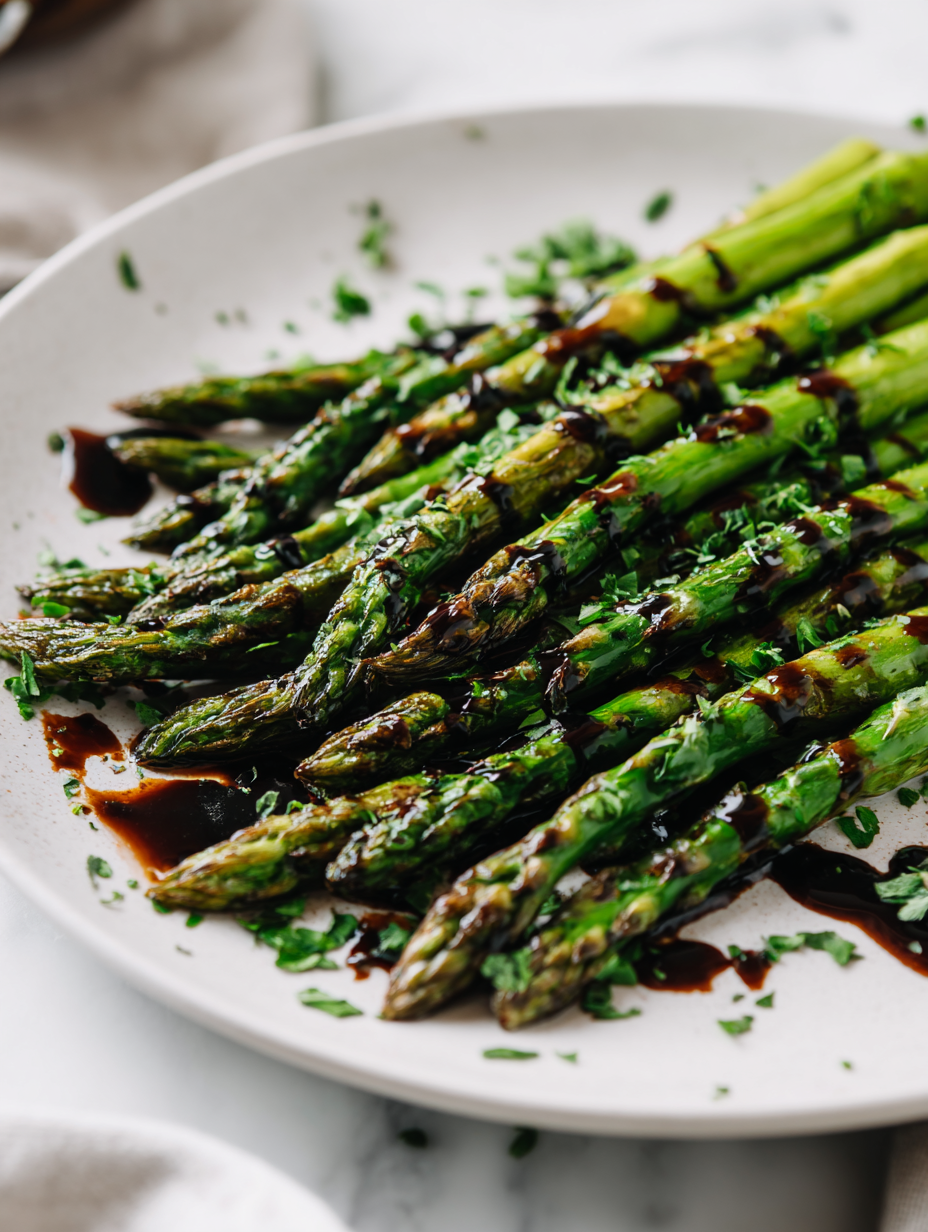
Roasted Asparagus with Balsamic Glaze
Ingredients
Equipment
Method
- Trim the woody ends off the asparagus and rinse them under cold water, then pat dry.
- Place the asparagus in a mixing bowl, drizzle with olive oil, and sprinkle with salt. Toss gently to coat all the spears evenly.
- Spread the coated asparagus in a single layer on a rimmed baking sheet, ensuring they aren’t crowded for even roasting.
- Roast the asparagus in a preheated oven at 220°C (425°F) for 10-12 minutes, until the tips are golden and crisp, and the stalks are tender with a slight snap.
- While the asparagus roasts, pour the balsamic vinegar into a small saucepan, add honey, and simmer over low heat until the mixture thickens into a glossy, syrupy glaze, about 10-15 minutes. Stir occasionally and remove from heat once it reaches the desired consistency.
- Transfer the roasted asparagus to a serving platter and drizzle generously with the balsamic glaze, allowing it to cling to the tender spears.
- Finish by sprinkling with freshly cracked black pepper and lemon zest for brightness and contrast.
- Serve immediately while warm, enjoying the combination of crisp edges, tender stalks, and the sweet-tangy glaze.
Notes
Pro tips for roasted asparagus
- Bolded tip: Use high heat to ensure quick caramelization and crisp edges without overcooking the tender stalks.
- Bolded tip: Toss asparagus in oil thoroughly—this helps them roast evenly and develop a beautiful, golden-brown crust.
- Bolded tip: Watch the roasting time carefully; thin spears can go from perfect to mushy in a minute, so check at 10 minutes.
- Bolded tip: Drizzle the balsamic glaze while the asparagus is still warm—this allows the glaze to cling and soften slightly.
- Bolded tip: For extra flavor, sprinkle a pinch of flaky sea salt or freshly cracked black pepper right after roasting for contrast.
Common mistakes and how to fix them
- FORGOT to check asparagus doneness → test with a fork for tender crispness.
- DUMPED glaze too early → wait until it thickens and coats the back of a spoon.
- OVER-TORCHED the edges → reduce oven temperature or shorten roasting time.
- MISSED the rest time → let it sit 2 minutes before serving to meld flavors.
Quick fixes and pantry swaps
- When glaze is too thin → splash a bit more balsamic and simmer until thickened.
- Splash water if asparagus overcooks and becomes mushy.
- Patch dull flavor by adding a pinch more salt or lemon zest after roasting.
- Shield edges from burning by lowering oven temperature slightly or reducing roasting time.
- If aroma is faint → increase roasting time slightly for more caramelization.
Prep, store, and reheat tips
- Prep the asparagus by trimming the woody ends the day before; store in a sealed container in the fridge, crisp and fresh.
- Roast the asparagus ahead of time and let it cool completely; store in an airtight container for up to 1 day. Reheat gently to preserve texture.
- Prepare the balsamic glaze in advance; keep in a jar at room temperature for up to a week. Reheat slightly if needed to loosen before drizzling.
- The flavor of the glaze intensifies slightly overnight, so consider adding a splash of water or balsamic to loosen it when reheating.
- Reheat roasted asparagus in a warm oven (around 180°C/350°F) for 5-7 minutes until just warmed through, watching for overcooking and sogginess.
Top questions about roasted asparagus with balsamic glaze
1. How do I pick the best asparagus?
Look for bright green, firm spears with tight tips. They should snap easily when bent. Avoid limp or yellowing stalks.
2. What’s the perfect roasting time?
Roast the asparagus at 220°C (425°F) for about 10-12 minutes. They should be tender with slightly caramelized edges.
3. How do I choose a good balsamic glaze?
Use a good quality balsamic glaze that’s thick and syrupy. It should cling well and have a deep, tangy-sweet flavor.
4. My glaze is too thin, what do I do?
If the glaze is too runny, simmer it a bit longer until it thickens. If it’s too sweet, add a splash of vinegar to balance.
5. How do I know when it’s done?
Roast the asparagus until tips are crisp and golden, stalks are tender, and the glaze is glossy and slightly caramelized.
6. Can I prepare this dish in advance?
Yes! You can prep the asparagus a day ahead, keep in the fridge, and roast just before serving for fresh crispness.
7. How should I store leftovers?
Store leftovers in an airtight container in the fridge for up to 1 day. Reheat gently in a warm oven or skillet to maintain crunch.
8. What if it overcooks or burns?
If your asparagus gets burnt edges, lower the oven temperature slightly and roast for a shorter time. Keep a close eye near the end.
9. Any tips for even roasting?
When tossing, make sure the spears are evenly coated with oil for uniform roasting and caramelization.
10. How can I boost the flavor after roasting?
Add a pinch of sea salt or lemon zest after roasting for extra flavor. A light sprinkle enhances both sweetness and brightness.
This roasted asparagus with balsamic glaze feels like a little treasure in the middle of busy weeks. The sweet-tangy glaze, slightly sticky and caramelized, makes the humble stalks feel special without fuss. It’s the kind of dish that reminds me how simple ingredients can deliver a satisfying, honest flavor.
Whenever I make this, I think about how a small drizzle can turn a straightforward vegetable into a moment of quiet celebration. It’s not just about eating well, but about appreciating those small, thoughtful touches that make everyday meals memorable.

Hi, I’m Madison Lane, the cook, recipe creator, and heart behind this kitchen. Food has been part of my life for as long as I can remember. Some of my earliest memories are of standing beside my dad while he cooked, watching him move comfortably around the kitchen, tasting sauces, and explaining why patience mattered just as much as seasoning.
