
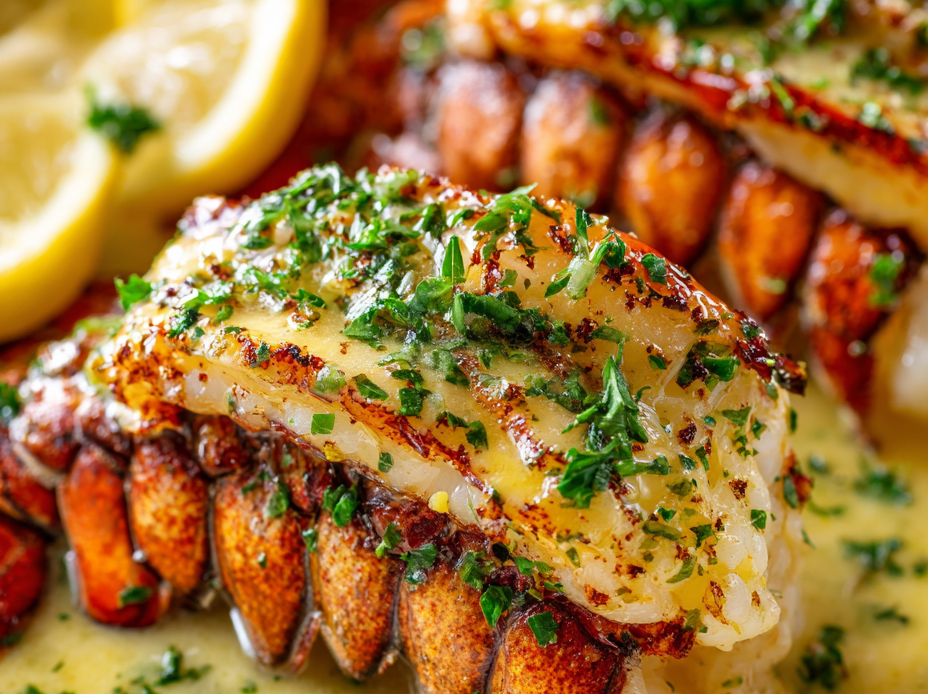
Lobster can feel intimidating—fancy, expensive, and a little intimidating to cook at home. But when you focus on balancing its natural richness with something bright and fresh, like lemon, it becomes approachable. I love thinking of this dish as a cozy way to treat yourself without fussing over complicated techniques.
This lemon butter lobster tail is all about simple ingredients doing their thing. The buttery richness, the zing of fresh lemon, and the tender meat come together in a way that feels indulgent but effortless. It’s perfect for a weeknight splurge or a casual dinner where you want to impress without the stress.
What really makes this dish stand out is how quick it is to prepare—no long marinating or tricky cooking methods. Just a handful of ingredients, a hot pan, and a few minutes. It’s like turning a restaurant classic into a familiar, comforting meal you can whip up on a weeknight.
Focusing on the underrated art of balancing rich lobster with the zing of fresh lemon and the velvety smoothness of homemade butter, turning a fancy dish into a cozy, approachable weeknight treat.
The story behind this recipe
I first stumbled upon this lemon butter lobster tail during a chaotic holiday dinner. The kitchen was a mess, but the aroma of melting butter, bright lemon zest, and tender lobster pulled everyone in. It reminded me that simple ingredients, treated well, create the most memorable meals. Now, I keep coming back to this dish whenever I want to feel a little fancy without the fuss, especially on those nights I need comfort and elegance in one plate.
Key ingredients and tips
- Lobster tail: I choose the freshest, firm lobster with a sweet aroma—your best bet for tender meat. Swap for scallops if you want a quicker, softer bite, but the flavor won’t be as rich.
- Lemon: Bright, zesty lemon is what lifts this dish. Use a fresh lemon for a lively, juiciness—bottle lemon juice feels dull in comparison. For a milder tang, reduce the lemon zest slightly.
- Butter: I rely on unsalted, high-quality butter for a velvety texture and rich flavor. If you prefer dairy-free, try coconut oil, but it won’t have that classic buttery richness or slight sweetness.
- Garlic: Fresh garlic gives a punch of warmth and depth. Avoid pre-minced jars if possible—they can be bland or bitter. Roast garlic for a sweeter, mellow note if you like.
- Parsley: Fresh parsley adds color and a gentle herbal note. Dried parsley is a poor substitute—it’s dull and loses its bright flavor once cooked.
- Olive oil: Just a touch helps prevent sticking and adds flavor. Use a good fruity extra virgin for best taste. Skip if you want a richer, butter-forward profile.
- Seasoning: Simple salt and pepper are enough, but a pinch of smoked paprika can add a subtle smoky depth. Too much, and it overpowers the delicate lobster.
Spotlight on key ingredients
Garlic: Fresh garlic gives a punch of warmth and depth. Avoid pre-minced jars if possible—they can be bland or bitter. Roast garlic for a sweeter, mellow note if you like.:
- Lobster tail: I choose the freshest, firm lobster with a sweet aroma—your best bet for tender meat. Swap for scallops if you want a quicker, softer bite, but the flavor won’t be as rich.
- Lemon: Bright, zesty lemon is what lifts this dish. Use a fresh lemon for a lively, juiciness—bottle lemon juice feels dull in comparison. For a milder tang, reduce the lemon zest slightly.
- Butter: I rely on unsalted, high-quality butter for a velvety texture and rich flavor. If you prefer dairy-free, try coconut oil, but it won’t have that classic buttery richness or slight sweetness.
Notes for ingredient swaps
- Seafood Swap: Use firm white fish like cod or halibut if lobster isn’t available. They won’t have the same richness, but will soak up the lemon butter nicely.
- Dairy-Free: Swap butter for coconut oil or vegan butter. Expect a slight coconut aroma and a less velvety texture, but still bright and satisfying.
- Lemon Alternatives: Lime or orange zest can brighten the dish with a different citrus twist, though the flavor will be slightly less sharp.
- Herb Variations: Fresh dill or tarragon can replace parsley for a more aromatic herbal note that pairs well with seafood.
- Garlic Substitute: Shallots or scallions can add a milder, sweeter onion note if garlic isn’t your thing. They cook faster and soften beautifully.
- Oil Choice: Use avocado oil for a neutral, high smoke point option, especially if you prefer less butter or want a lighter touch.
- Seasoning Tweaks: A pinch of smoked paprika or cayenne can add depth and a hint of heat—just be gentle so as not to overpower the lobster.
Equipment & Tools
- Boning knife: For precise shelling and meat separation.
- Cast iron skillet: Provides even heat for searing.
- Tongs: Handling lobster without piercing the meat.
- Small saucepan: Melting butter and infusing lemon flavors.
- Brush: Applying lemon butter evenly.
Step-by-step guide to Lemon Butter Lobster
- Equipment & Tools: Gather a sharp boning knife for precise lobster shelling, a sturdy skillet (preferably cast iron) for even heat, tongs for handling, a small saucepan for butter, and a brush for lemon glaze.
- Prepare the lobster: Use the boning knife to carefully cut along the top of the lobster tail shell, from the base to the tip, avoiding cutting through the meat. Gently pry open the shell and loosen the meat, keeping it attached at the base. Rest the meat on top of the shell for presentation.
- Preheat the skillet: Place it over medium-high heat (~200°C / 400°F). Add a tablespoon of butter and let it melt, bubbling gently with a nutty aroma.
- Cook the lobster: Place the shell with the meat side down in the hot skillet. Sear for 2-3 minutes until the shell turns a vibrant red and the meat begins to firm up with a slight char on the edges. Use tongs to flip if needed.
- Prepare the lemon butter: In the small saucepan, melt 4 tablespoons of butter over low heat (~120°C / 250°F). Add finely grated lemon zest and a squeeze of lemon juice. Stir until fragrant and just warmed through.
- Baste and finish: Brush the lobster meat generously with the lemon butter. Cook for another 2-3 minutes, basting occasionally, until the meat is just opaque and tender. Check for a slight jiggle and a fragrant lemon aroma.
- Rest and plate: Transfer the lobster to a plate, letting it rest for 1 minute. Drizzle with remaining lemon butter and sprinkle with chopped parsley for color. Serve immediately with extra lemon wedges.
- Final checks: The lobster should have a bright red shell, the meat opaque and firm but juicy, and the butter shimmering with lemon brightness. The aroma should be fresh and buttery with a citrus zing.
Rest the lobster for one minute to settle juices, then drizzle with extra lemon butter, sprinkle parsley, and serve immediately with lemon wedges for added brightness.
How to Know It’s Done
- Lobster shell is bright red with a slight crackle sound during searing.
- Lobster meat is opaque, firm, and slightly jiggles when moved.
- Butter is bubbling gently with a fragrant lemon aroma and shiny appearance.
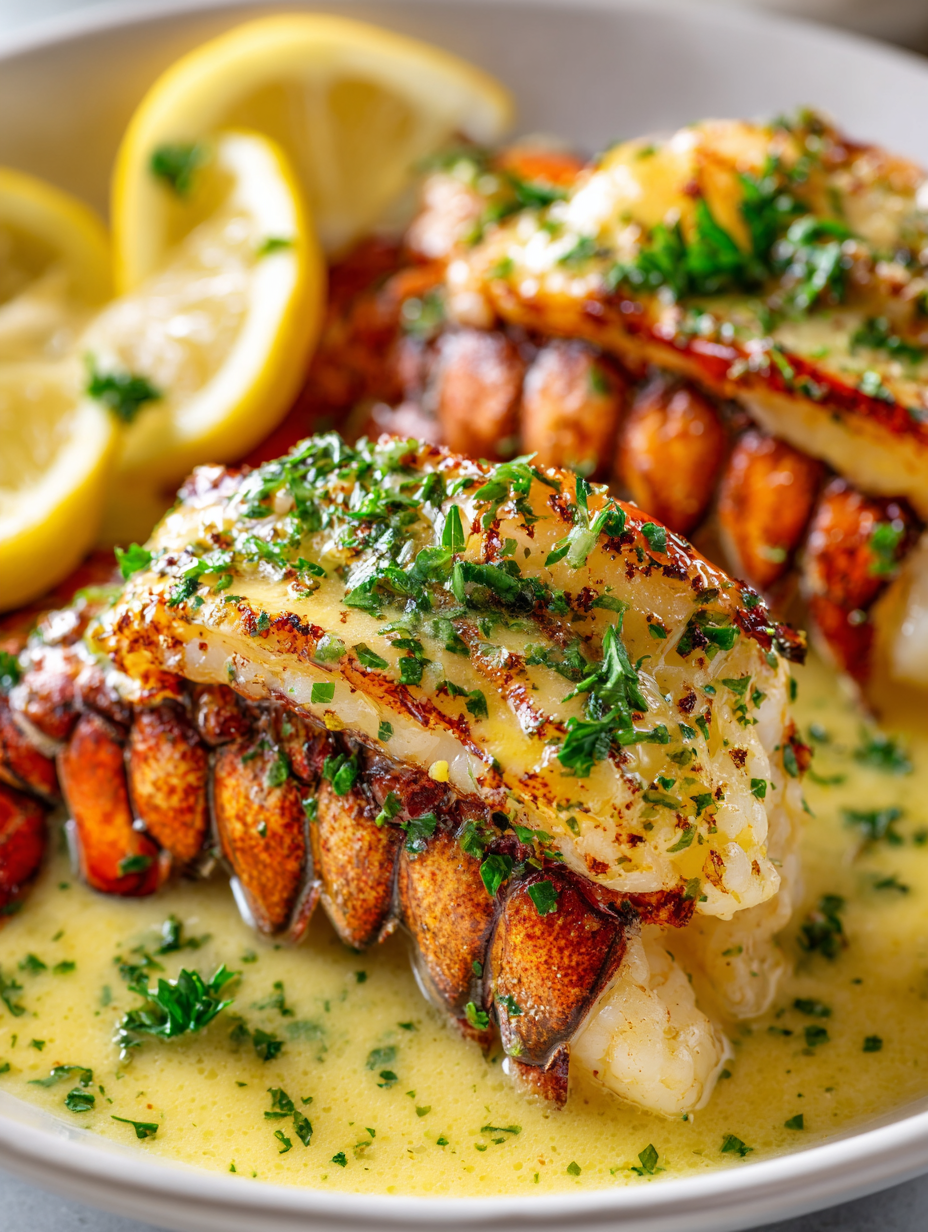
Lemon Butter Lobster Tail
Ingredients
Equipment
Method
- Use a sharp boning knife to carefully cut along the top of each lobster tail shell from base to tip, avoiding cutting through the meat. Gently pry open the shell and loosen the meat, keeping it attached at the base, then rest the meat on top of the shell for presentation.
- Preheat your cast iron skillet over medium-high heat until it’s hot and starts to shimmer. Add a tablespoon of olive oil and swirl to coat the pan.
- Place the lobster tails shell side down in the hot skillet. Sear for 2-3 minutes until the shells turn a vibrant red and the meat begins to firm up with a slight char on the edges.
- Meanwhile, melt the butter in a small saucepan over low heat. Add the finely grated lemon zest, a squeeze of lemon juice, and the minced garlic. Stir gently until fragrant, about 1 minute.
- Flip the lobster tails carefully with tongs so the meat side is now down. Cook for another 2 minutes, then brush generously with the lemon butter using a brush, ensuring the meat is coated.
- Baste the lobster meat with the lemon butter a couple of times, cooking for an additional 2-3 minutes until the meat is opaque, firm, and fragrant with citrus. Keep an eye on the shells to prevent burning.
- Remove the lobster tails from the skillet and transfer to a plate. Garnish with freshly chopped parsley and a squeeze of extra lemon if desired.
- Serve immediately with additional lemon wedges on the side. The lobster should be juicy, glossy, and fragrant with a bright lemon aroma.
Notes
Pro tips for perfect lobster
- Bolded Mini-Head: Use a hot pan for searing lobster shell to get a vibrant color and smoky aroma.
- Bolded Mini-Head: Baste with lemon butter early to infuse flavor and keep the meat moist and glossy.
- Bolded Mini-Head: Keep a close eye on heat—medium-high heat should create a crackling sound without burning the butter.
- Bolded Mini-Head: Use fresh lemon zest and juice for the brightest, most zingy lemon flavor that cuts through richness.
- Bolded Mini-Head: Rest the lobster briefly after cooking to allow juices to redistribute, ensuring tender, juicy meat.
Common mistakes and how to fix them
- FORGOT to adjust heat after searing → Lower heat to prevent burning the butter.
- DUMPED the lemon butter too early → Finish with a generous drizzle just before serving.
- OVER-TORCHED the lobster shell → Keep an eye for bright red color, not blackened edges.
- MISSED the resting step → Let the lobster rest for juicier, more tender meat.
Quick fixes and pantry swaps
- When sauce is too thick, splash in a little warm water and whisk until silky.
- If lobster sticks, patch with a quick brush of lemon butter and flip gently.
- Splash cold lemon juice if butter separates or curdles during melting.
- When shell cracks, shield with aluminum foil for even heat and prevent further damage.
- DUMPED the lobster in boiling water? Rescue with an ice bath to stop cooking instantly.
Prep, store, and reheat tips
- Prep the lobster tail: Shell and cut the lobster ahead of time, then keep it covered in the fridge for up to 2 hours. The meat stays tender if kept cold and covered.
- Make the lemon butter: Prepare the lemon butter mixture up to a day in advance. Store in an airtight container in the fridge; the butter may solidify, so gently warm it before use, releasing a bright, citrusy aroma.
- Storage duration: Lobster and lemon butter are best enjoyed fresh within 24 hours. After that, the flavor begins to dull, and the texture can degrade slightly.
- Reheating: Gently warm the lemon butter in a small saucepan over low heat until just melted and fragrant. Reheat the lobster briefly in a covered dish in the oven at 160°C (320°F) for 5-7 minutes until warmed through. The lobster meat should be tender and juicy, with a fresh citrus aroma lingering.
Top questions about Lemon Butter Lobster Tail
1. How do I shell the lobster properly?
Use a sharp boning knife to carefully cut along the shell, avoiding the meat, then gently pry open and loosen it for a clean presentation.
2. What’s the best way to sear the lobster?
Preheat your skillet over medium-high heat (~200°C / 400°F). Sear the lobster shell side down until it turns vibrant red and the meat begins to firm up, about 2-3 minutes, then flip if needed.
3. How do I make the lemon butter?
Make a quick lemon butter by melting butter over low heat, then adding freshly grated lemon zest and a squeeze of lemon juice. It should be fragrant, shiny, and just warmed through.
4. How do I know when the lobster is cooked?
Check that the lobster meat is opaque and firm with a slight jiggle, the shell is bright red with crackling sound, and the butter is shimmering with a citrus aroma—these indicate doneness.
5. Can I substitute ingredients?
You can substitute scallops or firm white fish like cod for lobster, but they won’t have the same richness. Use coconut oil instead of butter for a dairy-free version, though it changes the texture slightly.
6. Why is fresh lemon important?
Fresh lemon zest and juice give the dish a bright, zesty flavor that cuts through the richness of the butter. Use a fresh lemon for maximum brightness and juiciness.
7. What if I overcook or burn the shell?
Avoid over-torching the lobster shell—keep an eye on the color. If it starts to blacken, lower the heat or remove from the pan immediately to prevent bitterness.
8. Any tips for perfect searing?
Use a hot pan for searing to develop a smoky aroma and vibrant color. Baste the lobster early with lemon butter to keep it moist and flavorful.
9. How far in advance can I prep this dish?
You can prepare the lobster shell and lemon butter a few hours ahead. Reheat the butter gently and keep the lobster covered in the fridge until ready to cook.
10. What quick fixes if something goes wrong?
If the sauce becomes too thick, splash in warm water and whisk until smooth. When lobster sticks, brush with lemon butter and turn gently for even cooking.
This dish is a reminder that simple, fresh ingredients can turn an ordinary night into something special. The bright lemon and rich butter balance the tender lobster meat perfectly, making each bite feel indulgent yet familiar.
Whenever I cook this, I think about how a few well-chosen flavors can elevate a straightforward meal into a memorable moment. It’s not about fussing—just good ingredients, cooked with care, and shared with someone who appreciates the little luxuries.

Hi, I’m Madison Lane, the cook, recipe creator, and heart behind this kitchen. Food has been part of my life for as long as I can remember. Some of my earliest memories are of standing beside my dad while he cooked, watching him move comfortably around the kitchen, tasting sauces, and explaining why patience mattered just as much as seasoning.
