
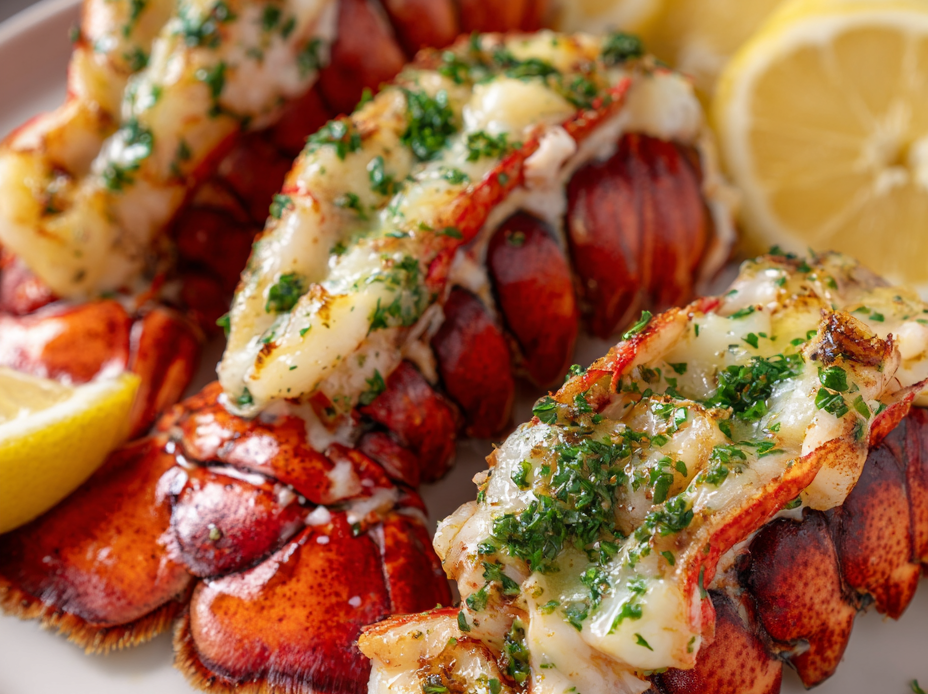
Lobster tails often feel like a special occasion plate, but I’ve found that a straightforward garlic herb butter can make them feel more accessible and just as indulgent. There’s something about pulling apart that tender, slightly sweet meat and dipping it into that fragrant, buttery sauce that makes me forget about fancy restaurants. It’s all about keeping it simple, letting the lobster’s natural beauty shine through.
This recipe is a reminder that sometimes, the most impressive dishes come from a handful of good ingredients and a bit of patience. I love how the garlic and herbs amplify the lobster’s oceanic flavor without overpowering it. Plus, the process of preparing and cooking each tail feels almost meditative — a quiet moment of culinary appreciation in the chaos of everyday life.
Focusing on the overlooked beauty of lobster tails, this recipe emphasizes the importance of a simple garlic herb butter that enhances the natural sweetness and tender texture of the meat, turning a luxurious dish into an accessible, everyday indulgence.
The story behind this recipe
- I first tried lobster tail on a whim during a late-summer trip to Maine. The way the ocean breeze mixed with the aroma of garlic and herbs as I cracked open that tender shell stuck with me. It was one of those small moments that made me realize simple ingredients can deliver the most memorable bites.
- Ever since, I’ve been obsessed with perfecting a version that feels luxurious but doable on a weeknight. There’s something about that buttery garlic-infused smell filling the kitchen that sparks pure joy—like I’ve caught a little piece of coastal magic right at home.
- This dish reminds me to keep things straightforward, to trust the quality of the lobster and the punch of fresh herbs. It’s a quick reminder that some of the best meals come from minimal fuss and maximum flavor.
Key ingredients and tips
- Lobster tail: I love the natural sweetness and tender texture, but a quick brine in salted water helps firm it up. You can skip this if pressed for time, but it makes a noticeable difference in bite.
- Garlic: I prefer fresh, minced garlic for that pungent, aromatic punch. If you want a milder flavor, lightly sauté it first—just be careful not to burn it into bitterness.
- Herbs: Parsley and thyme are my go-tos, but basil or tarragon add a fresh, slightly different aroma. Use what you love; the herbs should shimmer with bright, green life.
- Butter: I use unsalted butter, letting the garlic and herbs take center stage. If you’re dairy-free, a good quality olive oil can work, though it won’t have the same richness.
- Lemon: Brightens everything and cuts through the richness. I squeeze fresh lemon right before serving to keep the aroma vibrant and the flavor lively.
- Seasonings: A pinch of paprika adds a smoky hue and subtle warmth. Feel free to adjust salt and pepper to taste, but don’t overdo it—let the lobster shine.
- Optional spice: Red pepper flakes can give a little kick if you like heat, but I keep it mild so the seafood’s sweetness remains the star.
Spotlight on key ingredients
Lobster tail:
- I love its firm, slightly sweet flesh that holds up well to quick baking. It’s the star, so quality makes all the difference.
- Lobster shell: The vibrant red shell crackles slightly as it cooks, and it’s surprisingly easy to handle once you get the hang of cutting through it gently.
Garlic & Herbs:
- Garlic: Fresh minced garlic releases a pungent, aromatic scent that intensifies as it cooks. Watch it carefully—burnt garlic turns bitter fast.
- Herbs: Parsley and thyme shimmer with bright green life and add a fresh, slightly spicy aroma that lifts the richness of the butter.
Notes for ingredient swaps
- Dairy-Free: Swap butter for coconut oil or olive oil. Expect a slightly less rich, more grassy flavor, but still delicious.
- Herbs: Fresh thyme or tarragon can replace parsley, adding a different aromatic punch. Use fresh for the brightest flavor.
- Lemon: Lime or vinegar can brighten the dish if lemon isn’t available, though the aroma will shift slightly.
- Garlic: Roasted garlic offers a mellow, sweeter note; use sparingly if you prefer a subtler garlic presence.
- Seafood: Shrimp or scallops can be a good stand-in for lobster, with similar quick cooking times and a sweet seafood profile.
- Butter: Ghee or clarified butter can be used for a richer, nuttier flavor, especially if you prefer a more concentrated butter taste.
- Spice: Red pepper flakes or cayenne can add heat—use sparingly to avoid overpowering the delicate lobster sweetness.
Equipment & Tools
- Seafood scissors: To cut through the shell cleanly without tearing meat.
- Baking sheet: To bake the lobster tails evenly.
- Small saucepan: To melt and infuse garlic butter.
- Basting brush: To coat the lobster meat with garlic herb butter evenly.
- Tongs: To handle hot lobster tails safely.
Step-by-step guide to lobster prep
- Equipment & Tools: Get a sharp kitchen shears or seafood scissors to cut through the shell; a baking sheet or oven-safe dish; a basting brush; a small saucepan for garlic butter; and tongs for handling the lobster.
- Preheat your oven to 200°C (390°F).
- Prepare the lobster tails: Using scissors, cut a shallow slit along the top of the shell from the base to the tip, avoiding the meat. Gently pry open the shell with fingers or a spoon to loosen the meat, lifting it slightly while keeping it attached at the tail end.
- Pat the lobster dry with paper towels. This helps the butter stick better and promotes even browning.
- Make the garlic herb butter: In a small saucepan, melt 1/2 cup unsalted butter over low heat. Add 4 minced garlic cloves and cook gently until fragrant, about 1 minute. Stir in chopped parsley, thyme, a squeeze of lemon juice, salt, and pepper. Keep warm.
- Brush the lobster meat generously with the garlic herb butter using a basting brush. Ensure it’s well coated for maximum flavor.
- Arrange the lobster tails on a baking sheet, shell side down. Spoon any remaining butter over the exposed meat.
- Bake in the preheated oven for 12-15 minutes. The lobster should turn opaque and slightly firm. Baste with more butter halfway through if desired.
- Check for doneness: the meat should be firm but tender, and the shell will be slightly browned. The butter should be bubbling and fragrant.
- Remove from oven. Let rest for 2 minutes before serving. Garnish with extra lemon wedges and chopped herbs if you like.
Let the lobster rest for 2 minutes to allow juices to redistribute. Serve with lemon wedges and extra herb butter for dipping. Presentation isn’t fancy—just a drizzle of that fragrant butter and a sprinkle of herbs make it look inviting.
How to Know It’s Done
- Lobster meat is opaque and firm, not translucent.
- Shell edges are lightly browned and aromatic.
- Butter is bubbling and fragrant, coating the meat evenly.
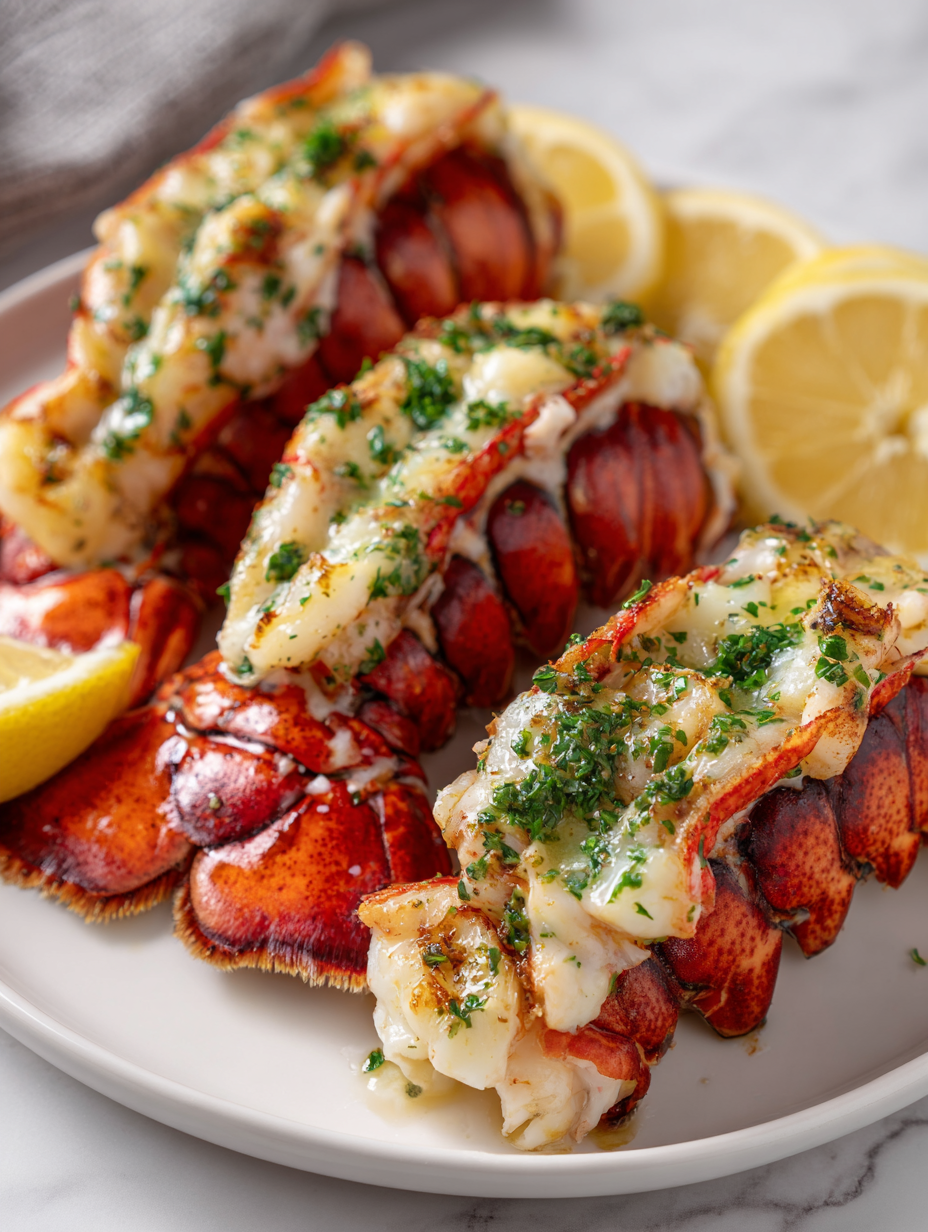
Garlic Herb Lobster Tails
Ingredients
Equipment
Method
- Preheat your oven to 200°C (390°F) and gather your seafood scissors, baking sheet, small saucepan, basting brush, and tongs.
- Using seafood scissors, carefully cut along the top of each lobster tail from the base to the tip, avoiding the meat inside. Gently pry open the shell with your fingers or a spoon to loosen the meat, lifting it slightly while keeping it attached at the tail end.
- Pat the lobster meat dry with paper towels to help the butter adhere better and promote even browning during baking.
- In a small saucepan, melt the butter over low heat. Add the minced garlic and cook gently until fragrant, about 1 minute—your kitchen will fill with a warm, garlicky aroma.
- Stir in the chopped parsley, thyme, lemon juice, salt, pepper, paprika, and red pepper flakes if using. Keep the herb butter warm and fragrant.
- Using a basting brush, generously coat the exposed lobster meat with the garlic herb butter, ensuring every inch is covered with vibrant green herbs and fragrant butter.
- Arrange the lobster tails on a baking sheet, shell side down. Spoon any remaining butter over the meat and shells for extra flavor and moisture.
- Bake the lobster tails in the preheated oven for 12-15 minutes, until the meat turns opaque, firm, and slightly browned at the edges. Baste with more herb butter halfway through for maximum flavor and juiciness.
- Once cooked, remove the lobster from the oven and let rest for 2 minutes. The shells will be fragrant with a hint of browning, and the meat will be tender and juicy.
- Serve the lobster tails hot, drizzled with any extra garlic herb butter, garnished with additional fresh herbs and lemon wedges for a bright, fresh finish.
Pro tips for garlic herb lobster
- Use a sharp seafood scissors to cut through the shell cleanly, avoiding tearing the delicate meat.
- Preheat your oven thoroughly—aim for 200°C (390°F)—to ensure even, quick cooking that keeps the lobster tender.
- Baste the lobster with garlic herb butter halfway through baking to infuse maximum flavor and keep it moist.
- Watch the shell edges for slight browning; it indicates the lobster is perfectly roasted without overcooking.
- Rest the lobster for 2 minutes after baking; this allows the juices to redistribute and results in juicier meat.
- When in doubt, check for the opaque, firm texture of the meat—it’s the best sign of doneness, not just color.
- Keep your garlic gentle—cook it over low heat until fragrant, avoiding burnt bits that turn bitter.
Common mistakes and how to fix them
- FORGOT to check shell cracks → Ensure shell is fully cut and pried open before cooking.
- DUMPED the garlic butter → Baste lobster multiple times for maximum flavor infusion.
- OVER-TORCHED the shell edges → Keep an eye on color; slight browning is perfect, black is burnt.
- MISSED resting time → Let lobster rest 2 minutes after baking for juicier meat.
Quick fixes and pantry swaps
- If lobster shell cracks, patch with a toothpick or kitchen twine to prevent leaks.
- Splash lemon juice if butter burns or smokes—brightens and calms overcooked flavors.
- Shield lobster from direct heat if shell edges blacken—use foil or lower oven rack.
- Rescue overcooked lobster meat by gently reheating in garlic butter—adds moisture and flavor.
- When pantry lacks fresh herbs, use dried ones—just halve the amount for potency.
Prep, store, and reheat tips
- Prep the lobster tails: Cut and devein up to 2 hours ahead; keep chilled for freshest flavor and firm texture.
- Make garlic herb butter: Prepare and refrigerate up to 1 day in advance; it will solidify but re-melts quickly when heated.
- Storage: Keep prepped lobster covered tightly in the fridge; garlic butter in an airtight container for maximum freshness.
- Reheating: Warm lobster gently in a low oven (about 150°C/300°F) until heated through; butter should shimmer and lobster feels tender when poked.
- Sensory note: Reheated lobster may lose some of its initial bright aroma but should still be juicy and fragrant if warmed carefully.
Top questions about Garlic Herb Lobster Tail
1. How do I tell if the lobster is fresh?
Fresh lobster tail has a subtly sweet aroma and firm texture. If it smells overly fishy, it’s best to avoid.
2. Can I use olive oil instead of butter?
You can substitute butter with olive oil for a lighter, less rich flavor, but it won’t have the same luscious mouthfeel.
3. How do I know when the lobster is done?
A good lobster tail should turn opaque and firm when cooked. If it’s still translucent or mushy, give it a few more minutes.
4. What’s the best way to open the lobster shell?
Use kitchen shears to cut the shell cleanly, which makes pulling out the meat easier and cleaner.
5. When should I add lemon juice?
Adding lemon just before serving keeps the bright, zesty aroma alive and cuts through the richness of the butter.
6. How do I prevent burnt garlic?
If the garlic starts to smell bitter or blacken, remove it from heat immediately to avoid bitterness in your sauce.
7. Should I baste the lobster during cooking?
Baste the lobster halfway through baking to keep it moist and ensure even flavor infusion.
8. Can I prepare lobster tails in advance?
Lobster tails can be prepped up to 2 hours ahead, kept chilled, then baked fresh before serving.
9. What if the shell cracks while preparing?
If the shell cracks during cutting, patch it with a little toothpick or kitchen twine to prevent leaks while baking.
10. Why rest the lobster after cooking?
Always rest the lobster for 2 minutes after baking to let the juices redistribute, ensuring juicy meat.
This dish is a reminder that even luxurious seafood can feel approachable when you keep things simple and focus on fresh ingredients. The aroma of garlic and herbs filling the kitchen as the lobster bakes is a small, satisfying moment of culinary clarity.
Sharing this lobster tail with someone you care about turns a fancy ingredient into an everyday indulgence. It’s a straightforward way to celebrate good flavors without fuss, and that’s what makes it worth coming back to.

Hi, I’m Madison Lane, the cook, recipe creator, and heart behind this kitchen. Food has been part of my life for as long as I can remember. Some of my earliest memories are of standing beside my dad while he cooked, watching him move comfortably around the kitchen, tasting sauces, and explaining why patience mattered just as much as seasoning.
