
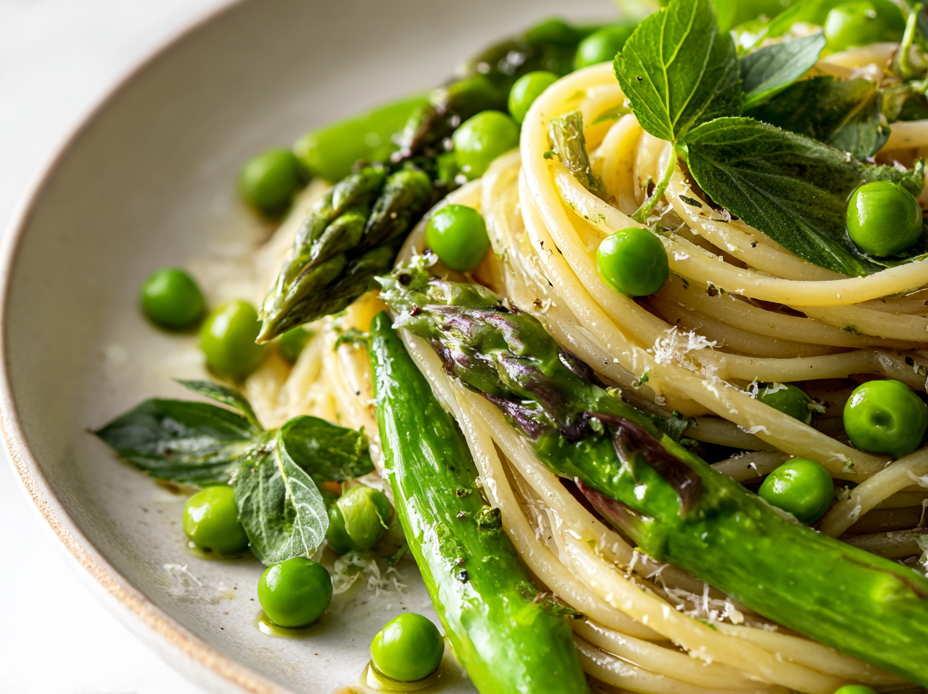
This asparagus and pea pasta is a little ode to spring’s fleeting magic. There’s something special about catching those early-season vegetables at their peak—tender, bright, almost sweet—and turning them into something quick, simple, yet deeply satisfying. It’s a dish that feels like a breath of fresh air in the middle of a busy week, reminding me to slow down and really enjoy what’s in season right now.
I love how the natural sweetness of peas pairs with the grassy freshness of asparagus. Cooking this dish feels like a gentle celebration of short-lived moments—those few weeks when everything feels just perfectly vibrant. It’s not fancy, but it’s honest, with flavors that shout spring and textures that keep your fork moving. Sometimes, the simplest ingredients make the best kind of meal.
Focusing on the fleeting, early-spring burst of asparagus and peas, this dish captures the season’s brief window of bright, tender produce. It’s about celebrating those short-lived moments of freshness in a simple, comforting pasta, making each bite a reminder to savor seasonal transitions.
The story behind this recipe
- This dish came together one spring afternoon when I had a handful of fresh asparagus and a bag of peas that needed using. I wanted something quick, bright, and full of the season’s promise—nothing more complicated than that. It’s funny how those simple ingredients can inspire a whole meal, especially when you’re looking to keep things honest and unpretentious.
- I remember standing at my counter, podding peas and snapping asparagus, feeling the slight crunch and the sweet aroma rise up. That moment of chopping and sautéing, with the scent of garlic and fresh greens filling the air, made me realize how fleeting this season is. I started to think about how this dish could be a little ode to spring’s brief window—delicately vibrant, perfectly imperfect.
- heading:
Ingredient breakdown: key components
- Asparagus: I love snapping off the woody ends first—it’s satisfying and ensures only tender bites. Trim the tough parts, then slice diagonally for quicker cooking. The bright green color and slight crunch make every forkful lively.
- Peas: Fresh or frozen, I prefer bright green peas; their sweet, slightly grassy flavor really pops in this dish. If frozen, rinse under cold water to defrost quickly without losing color. Their burst of sweetness balances the earthiness of asparagus.
- Pasta: I opt for a sturdy shape like rigatoni or orecchiette—something that catches bits of sauce and greens. Cook in generously salted boiling water until al dente, about 1 minute less than package suggests. Save some pasta water to loosen the sauce if needed.
- Garlic: I smash and finely chop garlic, then sauté gently in olive oil until just fragrant—about 1 minute at medium heat. Be careful not to burn it, as it turns bitter. The aroma should be warm and inviting, with a slight nutty note.
- Olive oil: Use good quality extra virgin—its fruity, peppery notes shine through. Drizzle over the cooked pasta, peas, and asparagus for richness. A splash of lemon juice at the end brightens everything up without overpowering.
- Lemon: I zest and juice fresh lemon into the dish for a zingy brightness. The zest adds a fragrant citrus aroma, while the juice cuts through the richness. Adjust to taste; start with half a lemon and go from there.
- Parmesan: Freshly grated Parmesan adds salt and umami—don’t skimp. Mix it in just before serving to let the cheese melt slightly, creating a creamy, savory coating that binds all the flavors together.
Spotlight on asparagus and peas
Asparagus:
- I love snapping off the woody ends first—it’s satisfying and ensures only tender bites. Trim the tough parts, then slice diagonally for quicker cooking. The bright green color and slight crunch make every forkful lively.
- Peas: Fresh or frozen, I prefer bright green peas; their sweet, slightly grassy flavor really pops in this dish. If frozen, rinse under cold water to defrost quickly without losing color. Their burst of sweetness balances the earthiness of asparagus.
Peas:
- Their tiny, plump shape holds in a burst of sweet, grassy flavor. During cooking, they soften just enough to release their natural sweetness, adding a fresh, juicy texture to each bite.
- Bright green and slightly glossy when cooked properly, they should still have a slight firmness—avoid overcooking to keep that lively bite and vibrant color.
Notes for ingredient swaps
- Dairy-Free: Swap Parmesan for nutritional yeast—adds umami without dairy, but lacks creaminess.
- Vegan: Use vegan Parmesan or a splash of cashew cream—still salty and cheesy, just plant-based.
- Gluten-Free: Substitute with rice or corn pasta—cooks similarly, but watch for texture differences.
- Peas: Fresh peas bring sweetness and crunch; frozen work well too, just rinse well to remove frostbite flavor.
- Asparagus: Green beans or snap peas can stand in—similar texture, slightly different sweetness and color.
- Lemon: Lime or vinegar for acidity—different citrus brightness, but still lifts the dish.
- Olive Oil: Avocado oil or toasted sesame oil—different flavor profiles, but good for sautéing and finishing.
Equipment & Tools
- Large pot: Boil pasta efficiently and evenly.
- Large skillet: Sauté vegetables and combine ingredients.
- Colander: Drain pasta quickly and with minimal breakage.
- Chopping board & knife: Trim and slice asparagus, mince garlic.
- Microplane or zester: Add fresh lemon zest for brightness.
Step-by-step guide to asparagus and pea pasta
- Equipment & Tools: Boiling pot for pasta, large skillet for sautéing, tongs or pasta fork, sharp knife, chopping board, measuring spoons, microplane or zester, colander, wooden spoon.
- Bring a large pot of salted water (about 1 tbsp salt per liter) to a rolling boil, around 100°C (212°F). Add pasta and cook until just al dente, about 1 minute less than package instructions. Reserve 1 cup of pasta water, then drain and set aside.
- While pasta cooks, trim the tough ends off the asparagus. Slice diagonally into 2-inch pieces. Rinse peas if frozen. Mince garlic finely.
- Heat a tablespoon of olive oil in the skillet over medium heat (about 160°C/320°F). Add garlic, cook for 30 seconds until fragrant—do not burn. Add asparagus, sauté for 3-4 minutes until tender and slightly blistered, stirring occasionally. Add peas, cook for another 2 minutes just until bright green and heated through.
- Turn heat to low. Add drained pasta directly into the skillet with vegetables. Toss to combine. If mixture looks dry, add a splash of reserved pasta water—about 2-3 tablespoons—until the sauce lightly coats everything and feels silky.
- Zest half a lemon over the pasta, then squeeze in the juice. Toss again. Grate Parmesan over the top, about 1/4 cup, and stir until melted and creamy. Taste and adjust lemon or salt if needed.
- Resting & Finishing: Serve immediately in warm bowls. Finish with a drizzle of olive oil and extra Parmesan if desired. Garnish with a few fresh pea shoots or basil if you like. No resting needed—best enjoyed right away for the vibrant flavors and tender textures.
Serve immediately while hot. Finish with a drizzle of good olive oil and a sprinkle of Parmesan. Garnish with fresh herbs if available. No need to rest—this dish is best enjoyed fresh for its vibrant textures and flavors.
How to Know It’s Done
- Pasta is al dente with a slight bite when tested with a fork.
- Vegetables are tender but still bright green and slightly blistered for flavor.
- Sauce is silky and coats the pasta without appearing greasy.
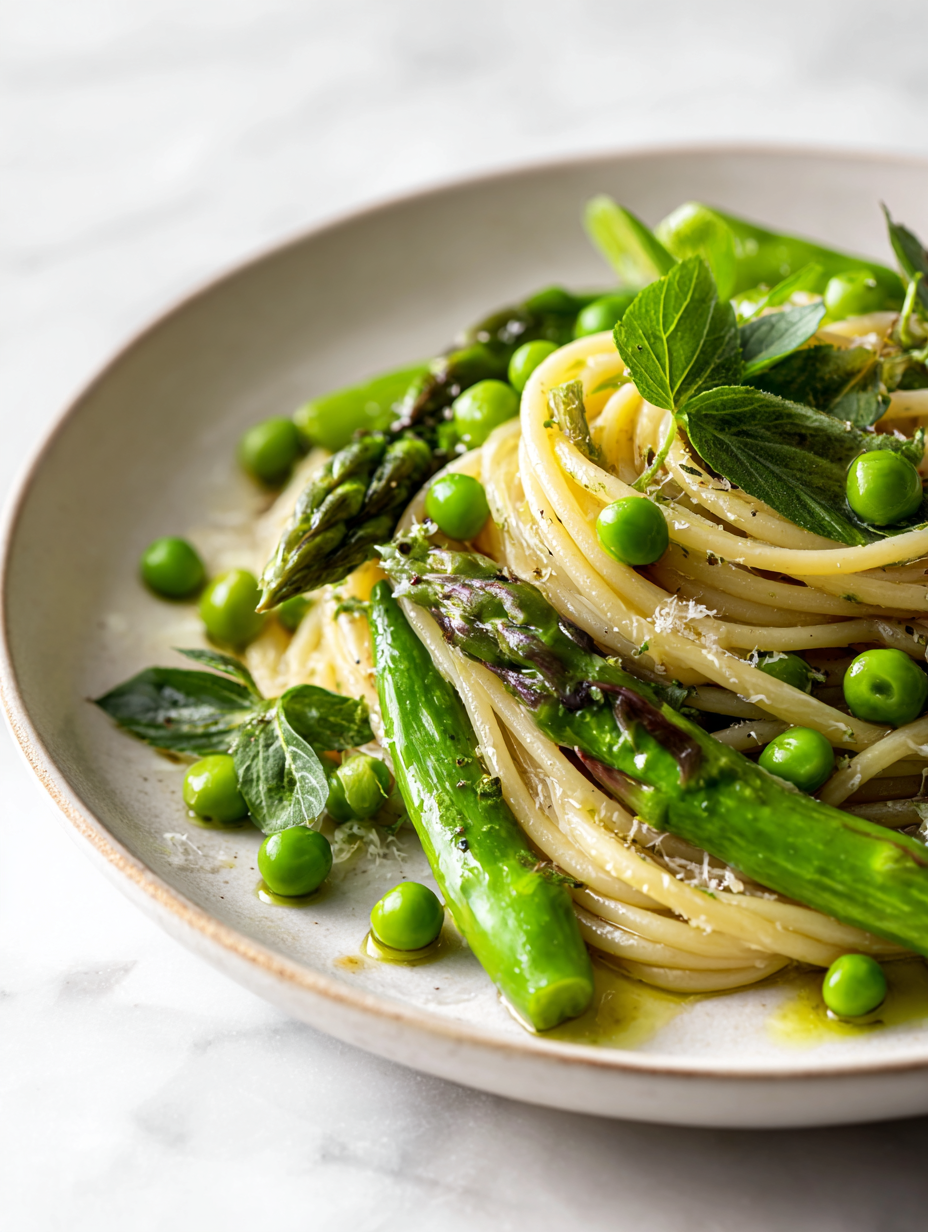
Spring Asparagus and Pea Pasta
Ingredients
Equipment
Method
- Bring a large pot of salted water to a rolling boil. Add the pasta and cook until just al dente, about 1 minute less than package instructions. Reserve 1 cup of pasta water, then drain the pasta and set aside.
- While the pasta cooks, trim the tough woody ends off the asparagus, then slice diagonally into 2-inch pieces. Rinse the peas if frozen and set aside. Finely chop the garlic cloves.
- Heat olive oil in a large skillet over medium heat. Add the chopped garlic and sauté for about 30 seconds, until fragrant and golden. Be careful not to burn it.
- Add the sliced asparagus to the skillet and cook for 3–4 minutes, stirring occasionally, until it is tender yet still vibrant green and slightly blistered.
- Stir in the peas and cook for another 2 minutes until they are heated through and slightly softened, maintaining their bright color.
- Add the drained pasta to the skillet with the vegetables. Toss everything together gently over low heat, adding a splash of the reserved pasta water if needed to loosen the mixture and create a silky sauce.
- Zest half of the lemon over the pasta, then squeeze in the lemon juice. Toss again to distribute the bright citrus flavor evenly.
- Sprinkle the freshly grated Parmesan cheese over the pasta, then toss gently until the cheese melts slightly and coats the ingredients, adding umami and richness.
- Taste and season with salt and freshly ground pepper as needed. Serve immediately, drizzled with a little extra olive oil if desired, and enjoy immediately while the flavors are vibrant and fresh.
Quick Tips for Perfect Pasta
- Bolded mini-head: Use high heat to quickly blister asparagus, locking in flavor and color.
- Bolded mini-head: Salt your pasta water generously—salty like the sea—to flavor the noodles from within.
- Bolded mini-head: Sauté garlic gently until fragrant—about 30 seconds—to avoid bitterness and develop sweetness.
- Bolded mini-head: Save a cup of pasta water before draining—it’s your secret weapon for a silky sauce.
- Bolded mini-head: Toss pasta and vegetables together off heat to prevent overcooking and keep textures bright.
- Bolded mini-head: Finish with lemon zest off the heat—brightens flavors without cooking out the citrus aroma.
- Bolded mini-head: Serve immediately—this dish loses its vibrant crunch and brightness if it sits too long.
Common mistakes and how to fix them
- FORGOT to adjust heat after adding greens → Turn down heat to prevent overcooking and mushiness.
- DUMPED pasta water too early → Save some for adjusting sauce consistency later.
- OVER-TORCHED garlic → Sauté gently until fragrant, not browned, to avoid bitterness.
- MISSED the lemon zest → Add it early for brightness or finish with fresh zest for vibrancy.
Quick fixes and pantry swaps
- When sauce looks too thick, splash in hot pasta water to loosen and shimmer.
- Splash a little lemon juice if greens seem dull—brighten with a quick citrus hit.
- Patch overcooked peas with a squeeze of lemon and a pinch of salt for freshness.
- Shield burnt garlic by removing it immediately and starting over with fresh slices.
- When in doubt, swap frozen peas for fresh—they hold color and flavor better, especially in spring.
Prep, store, and reheat tips
- Prep the vegetables: Trim and slice asparagus, and measure out peas and garlic a day ahead for quicker cooking. Keep in airtight containers in the fridge for up to 24 hours, maintaining their fresh brightness and crunch.
- Cook the pasta in advance: Boil until al dente, drain, toss with a little olive oil to prevent sticking, and store in an airtight container in the fridge. It will last up to 2 days; reheat briefly in boiling water or microwave until steaming.
- Make the sauce components ahead: Sauté garlic and prepare lemon zest and Parmesan separately. Store separately in small jars or containers. Reheat gently and assemble just before serving to preserve freshness and flavor.
- Reheating tips: To reheat, toss pasta and vegetables in a hot skillet with a splash of reserved pasta water or olive oil. The dish will smell bright and lemony, and the greens should remain tender but not mushy. Consume within 2 days for best flavor and texture.
Top questions about asparagus and pea pasta
1. Should I use fresh or frozen peas?
Use fresh, bright green peas and snap off the woody ends of asparagus. It keeps the dish crisp and vibrant.
2. How al dente should the pasta be?
Cook the pasta until just al dente, about 1 minute less than package suggests, to keep it firm and saucy.
3. When should I add lemon juice and zest?
Add lemon zest early for brightness, but squeeze fresh lemon juice at the end to keep the flavor lively.
4. Why save pasta water?
Save some pasta water before draining; it’s your secret weapon for a silky, well-coated sauce.
5. What pan should I use for sautéing?
Use a large skillet for sautéing vegetables; it gives enough space for even cooking and browning.
6. When should I toss the pasta and veggies?
Toss everything off the heat to avoid overcooking the greens and keep their fresh texture.
7. How do I finish the dish?
Finish with freshly grated Parmesan and a drizzle of good olive oil for richness and shine.
8. Can I make this ahead?
You can prep vegetables a day ahead, store in the fridge, then assemble and toss quickly when ready.
9. What if the sauce is too thick?
If the sauce seems too thick, splash in hot pasta water or a little olive oil to loosen it up.
10. How do I know when asparagus is perfectly cooked?
Overcooking asparagus makes it mushy; sauté until tender yet still crisp, about 3-4 minutes.
This dish is a little reminder of spring’s quick visit—bright, tender, and fleeting. It’s the kind of meal that pulls together fast but feels like a small celebration of fresh produce.
Enjoying this pasta now, with its crisp greens and zesty lemon, makes me appreciate how simple ingredients can come alive when handled with care. It’s honestly just good food, made with honest ingredients and a little bit of patience.
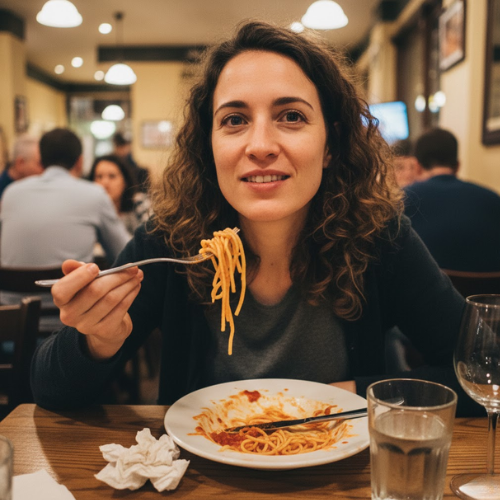
Hi, I’m Madison Lane, the cook, recipe creator, and heart behind this kitchen. Food has been part of my life for as long as I can remember. Some of my earliest memories are of standing beside my dad while he cooked, watching him move comfortably around the kitchen, tasting sauces, and explaining why patience mattered just as much as seasoning.
